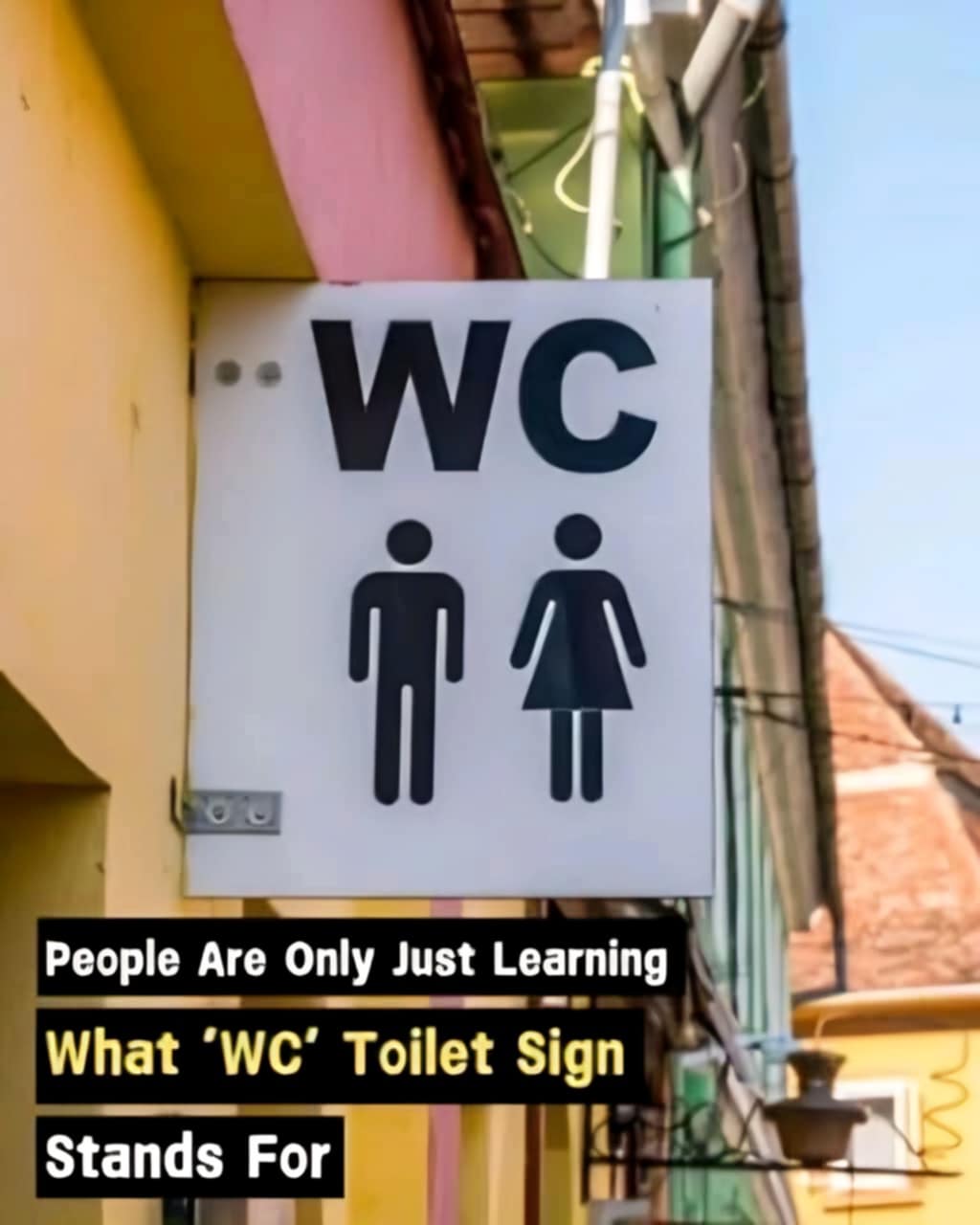
Have you ever noticed the letters WC posted outside a public bathroom and wondered what it means? The term “WC” is an abbreviation for Water Closet, a phrase that originated in the 19th century. In its earliest usage, a water closet referred to a room with a flushing toilet connected to a water supply, which was a significant innovation in sanitation at the time.
The concept of the water closet became widespread in Europe, particularly in England, where indoor plumbing started to transform homes and public spaces. By marking bathrooms with the abbreviation “WC,” establishments provided a clear and internationally recognized symbol for facilities, especially important in places frequented by travelers who might not understand the local language.
Interestingly, while “WC” is common in many European countries, different regions have their own symbols and terms. For example, in the United States, signs typically read “Restroom” or “Bathroom,” while other countries might use their native language abbreviations. Despite these differences, the letters WC have remained widely understood and serve as a universal indicator for toilet facilities.
Over time, the WC sign has also taken on cultural significance. It often appears in public areas, train stations, airports, and restaurants, acting as a simple guide for hygiene and convenience. Its use underscores the global importance of sanitation and the need for accessible public facilities, which is a fundamental aspect of urban planning and public health.
In modern design, WC signs have evolved to include pictograms of a man and woman, often alongside the letters, to make identification even easier. This combination of letters and imagery ensures clarity for people of all ages and linguistic backgrounds, highlighting the role of effective signage in everyday life.
Whether you are traveling abroad or just exploring your city, recognizing the meaning of WC can save time and provide a small but important sense of orientation. It’s a reminder of the historical developments in sanitation that have shaped our current standards for cleanliness and comfort.
Conclusion: The letters WC may seem simple, but they carry with them a long history of innovation and global communication. They serve as a practical symbol for public bathrooms while reflecting broader themes in hygiene, urban planning, and international understanding. Next time you see a WC sign, you’ll know it stands for Water Closet and appreciate the significance behind this everyday abbreviation.
Disclaimer: The information provided in this article is for general informational purposes only and is intended for entertainment and educational use.
Leave a Reply