• Tragedy at Construction Site: Skybridge Collapses During Building Phase

    Tragedy at Construction Site: Skybridge Collapses During Building Phase

    The photo shows a bustling construction site, where dozens of workers in bright safety vests are carefully piecing together a massive elevated roadway. Heavy machinery stands below, while scaffolding hugs the concrete beams high above the ground. At first glance, it looks like a typical day at a construction zone—but history reminds us that such sites can quickly turn from progress into tragedy.

    Real-Life Parallels

    On August 22, 2025, tragedy struck in China when part of a railway bridge under construction across the Yellow River suddenly collapsed. A steel cable snapped during a tensioning operation, sending a massive section of the structure crashing down. Twelve workers lost their lives, while four remain missing. This disaster shocked the nation and reignited global debates about construction safety, engineering oversight, and the human cost of progress.

    Although the image here does not show that exact incident, the similarities are chilling:

    • Workers balancing on scaffolds and beams.
    • Gigantic concrete structures supported by temporary frameworks.
    • The constant risk that one mistake, one flaw, or one unexpected failure can trigger catastrophe

    Lessons From Past Disasters

    Unfortunately, this is not the first time such tragedies have occurred:

    • Kansas City, 1981 – The Hyatt Regency walkway collapse killed 114 people during a crowded event. A last-minute design change had never been fully tested, proving how fatal small oversights can be.
    • Florida, 2018 – A pedestrian bridge at Florida International University collapsed onto a busy roadway, killing six. Investigations revealed flaws in the structural connections and insufficient inspections.
    • Seoul, South Korea, 2023 – A partially built bridge gave way, leaving four workers dead and several others injured. Once again, temporary support structures and stress during installation were key factors.

    Each incident carries the same lesson: safety is not optional—it is the foundation of engineering. Shortcuts, rushed timelines, or overlooked design flaws often lead to irreparable consequences.

    Why It Matters

    Skybridges, overpasses, and elevated highways are essential parts of modern infrastructure. They reduce traffic congestion, connect cities, and fuel economic growth. But their scale makes them dangerous to build. Every beam lifted, every cable tightened, and every slab of concrete set into place represents not just technical progress, but also a gamble with human lives if safety is not prioritized.

    Conclusion

    The image of workers building a skybridge should serve as more than a snapshot of progress—it should remind us of the unseen risks that accompany such projects. Real tragedies, like the Yellow River bridge collapse, reveal the devastating consequences when even a single structural failure occurs. The cost is not measured in steel and concrete, but in human lives and shattered families.

    Disclaimer: This story is presented for informational and entertainment purposes. The narrative and accompanying image are illustrative, and the photo is AI-generated.
  • The case that shook the globe

    The case that shook the globe

    Jocelyn and Ignacio Robertson, a young North American couple, were eagerly awaiting the arrival of their first child, a precious baby boy. Having recently married, their lives were full of dreams, and the anticipation of starting a family filled them with immense joy. Jocelyn endured every discomfort and challenge of pregnancy with determination, courageously making her way through nine difficult but beautiful months. As her due date approached, the couple couldn’t contain their excitement to finally meet their son.

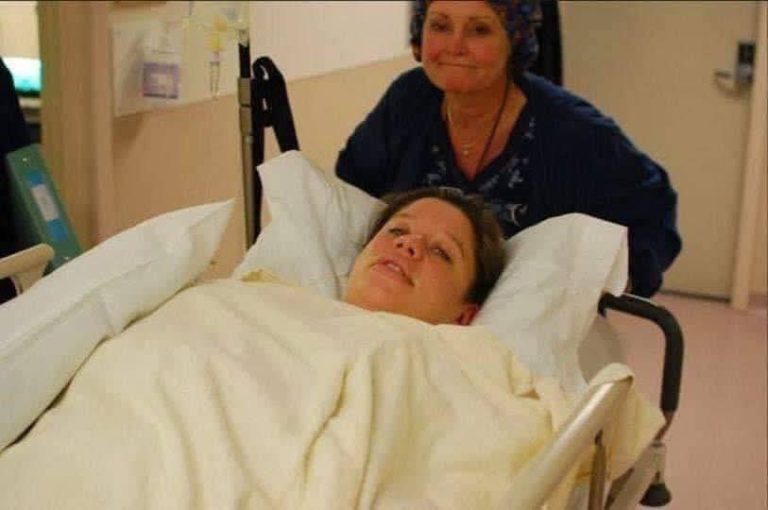
    One day, during Jocelyn’s ninth month, something unexpected happened. While resting at home, Jocelyn suddenly felt unwell, sensing something wasn’t quite right. Worried and alarmed, she and her husband, Ignacio, rushed immediately to the maternity clinic, where the doctors quickly performed an ultrasound to ensure everything was alright

    The room fell into a heavy silence as the doctors exchanged concerned glances. To the couple’s growing panic, another specialist was promptly called in to confirm their findings. Tragically, the second ultrasound revealed the same heartbreaking reality—their baby’s heartbeat had inexplicably stopped. Jocelyn felt her entire world shatter; Ignacio’s eyes filled with tears, his grip tightening protectively around her hand as the devastating news sank in.

    In an instant, their dreams had turned to despair, their hearts overcome with profound grief. As tears streamed down Jocelyn’s face, Ignacio comforted her, though he himself was equally shattered. Despite the immense sadness, Jocelyn bravely prepared herself for delivery, heartbroken at the thought of having to say goodbye before even holding her child.

    In the operating room, something miraculous occurred that changed everything. Just moments after delivering the baby, doctors noticed faint signs of life—small, delicate heartbeats, barely noticeable, yet undeniably present. Urgent calls echoed across the maternity ward as medical staff rushed into action. Their swift and skillful response revived the newborn, quickly stabilizing him and transferring him to intensive care, where his health steadily improved with each passing hour.

    Outside the delivery room, Jocelyn and Ignacio waited anxiously, unaware of the dramatic turn of events. When a doctor finally approached them, smiling gently, their confusion quickly turned into overwhelming joy. The baby, initially thought lost, was not only alive but steadily growing stronger by the moment.

    When Jocelyn finally held her son, she felt her heart swell with gratitude and awe, her tears now flowing with happiness instead of grief. The moment Noah’s tiny fingers curled around hers, Jocelyn knew this miracle had changed their lives forever. Ignacio stood by her side, his eyes filled with tears, feeling immense gratitude for the chance to be a father after believing that opportunity had vanished.

    Thanks to the doctors’ swift actions, their precious baby was soon thriving, defying the odds and capturing everyone’s hearts. Jocelyn and Ignacio named their son Nathan, meaning “gift,” because he truly was their miraculous gift of life.

    This experience left the family forever changed, bound together by a deep appreciation for life’s fragility and resilience. Nathan’s unexpected arrival brought clarity to their lives, teaching them never to lose hope, even in the darkest moments.

    Their son’s incredible birth taught them the power of faith, the strength of love, and the profound truth that miracles do indeed happen, often when least expected

  • My Twenty Years as a Priest Didn’t Prepare Me for the Hidden Plea That Made Me Stop a Wedding

    My Twenty Years as a Priest Didn’t Prepare Me for the Hidden Plea That Made Me Stop a Wedding

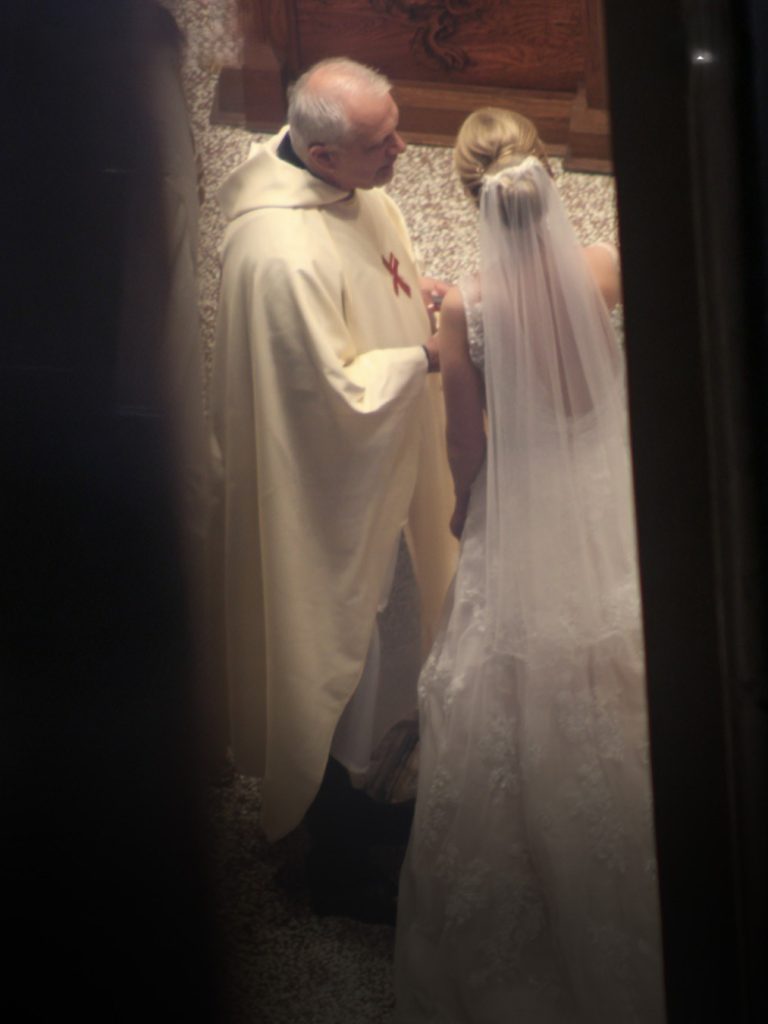
    I’d officiated hundreds of weddings over two decades. I’d seen every combination of love, nerves, family drama, and pageantry—couples crying, laughing, promising forever. I thought I knew the rhythm: processional, vows, rings, kiss. That Saturday ceremony started like any other.

    The church was dressed in white roses and baby’s breath, sunlight pooling across polished pews. The groom, Parker, arrived early—33, sharp in an expensive navy suit, adjusting his tie, beaming, shaking hands. “Beautiful day for a wedding, isn’t it?” he called, grinning when he saw me. He spoke with the easy confidence of a man certain this was his moment.

    The guests filed in. The music cued at 1 p.m. Bridesmaids in pale pink drifted down the aisle, smiles bright. Then Leslie appeared. She was 28, dressed in white silk with lace sleeves, a long train flowing behind her. She was styled to perfection; her hair, makeup, and dress could have been on the cover of a magazine. But something was wrong. Her smile never reached her eyes. She walked slowly, deliberately, as if each step required calculation. Instead of looking at Parker, she kept glancing at me—brief, furtive looks, almost like signals.

    I pushed the unease aside. Wedding jitters, I told myself, are normal. We moved through the opening prayers and readings as planned. When we reached the exchange of personal vows, I asked for their written promises, as was our custom. Parker handed over a clean, confident sheet. Leslie’s paper trembled slightly in her fingers. I unfolded it expecting the usual flow of love, devotion, partnership.

    Hidden within the carefully written cursive—“I promise to love you, honor you, and cherish you for all the days of my life”—were faint, penciled words between lines and margins. Help me. Please help me. Help me. The same plea repeated over and over, ghosted beneath the formal language, barely visible unless you were looking for it.

    My pulse quickened. I caught Leslie’s eye. She gave the slightest nod, the only confirmation I needed. Then I saw Parker; he glanced my way, caught my eye, and winked as if sharing a private joke. He had no idea what was happening inches away.

    I had to act before the rest of the ceremony played out. When I reached the traditional moment and said, “If anyone objects to this union, speak now or forever hold your peace,” I held the silence a little longer than usual. Leslie’s eyes were wet. Her bouquet shook. She looked at me with a desperation that made the sanctuary shrink around her.

    “Since no one else objects,” I said, my voice carrying across the room, “I do.”

    The reaction was immediate. Gasps rippled. Murmurs built into a rising current of confusion and outrage. Parker’s expression warped from surprise to fury. “What did you just say?” he demanded. “You can’t stop this wedding.”

    I object to this marriage,” I repeated, louder so everyone could hear. “Not today. Not like this.”

    It was chaos. Parker’s mother shouted. Voices questioned whether a priest could even do what I’d done. But all of that fell away when I looked at Leslie: the tension draining from her, the way her body sagged with relief, the first breath she really seemed to take all day.

    I stepped down from the altar and went to her. “Do you want to leave?” I asked softly.

    “Yes,” she whispered, barely audible. She slid her hand into mine like it was the only solid thing she could grasp, and we began walking down the aisle together. Parker’s shouts followed—“You can’t take my wife!”—but I didn’t look back. I kept my focus on her.

    We led her to my private office behind the sacristy and locked the door. She sat, shaking, and then began to speak. Her voice broke as she told me everything.

    Her parents had arranged this marriage when she turned 25. Parker was presented as a good match—successful, from the right family—but she didn’t love him. He controlled her: isolated her from friends, monitored her messages, exploded when she disagreed. When she tried to tell her parents she wasn’t ready, her father told her it was too late, that everything was already paid for, and that she was selfish for resisting. Her mother kept insisting she’d learn to love him after the wedding, that love wasn’t the foundation—it would grow later. She felt trapped, small, frightened. The vows she’d been asked to speak were a performance. The only way she could send a real message was to hide one in plain sight and hope someone would see.

    “You did the bravest thing you could,” I told her. “You asked for help.”

    I called Sister Margaret at the local women’s shelter. She came immediately and agreed to take Leslie somewhere safe. While we waited, I helped Leslie consider her options, gave her space to breathe, to own that the choice was hers now.

    When Sister Margaret arrived at the back entrance, I walked Leslie out myself. She hugged me, pressing her forehead briefly against mine. “Thank you,” she whispered. “I don’t know what would have happened if you hadn’t seen my message.”

    “God sees what’s hidden,” I said. “Including desperate prayers tucked into vows.”

    Later, I learned Leslie had filed charges against Parker for stalking and harassment. Her parents, once they understood the full truth and the courage it took, eventually came around. She’s safe now, living independently and rebuilding on her own terms.

    A few weeks after all of it, a bouquet of white lilies appeared in the church. There was no name—only a card that read: “Thank you for seeing me when no one else would.” I keep those lilies in mind as a reminder that sometimes the most sacred part of what I do isn’t the ceremony itself. It’s noticing the quiet signals, the hidden pleas, the moments where someone is reaching out in whatever way they can.

    Weddings are supposed to begin with hope. No union should start with fear. That day, what could have been a carefully staged celebration instead became a rescue. Sometimes being a priest means stepping in—not just to bless what’s already beautiful—but to stop something dangerous from taking root under the guise of tradition.

  • Massive Bus Accident Leaves Dozens Dead and Shocks Thousands

    Massive Bus Accident Leaves Dozens Dead and Shocks Thousands

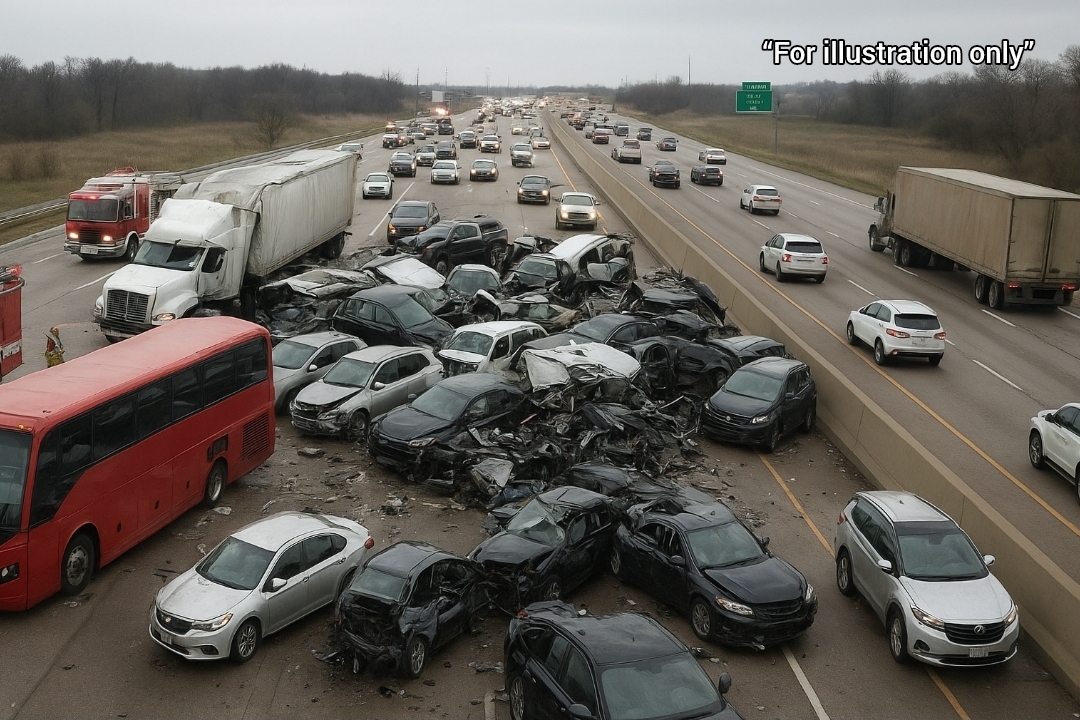
    Tragedy struck Guatemala City in February 2025 when a packed passenger bus, carrying nearly 70 people, veered off a bridge and plunged into a river below. The horrifying crash left at least 55 passengers dead and many others gravely injured, marking one of the deadliest transportation accidents in Central America in recent years.

    A Morning Journey That Turned Into a Nightmare

    The bus, traveling from a rural village toward Guatemala City, was reportedly overcrowded, with passengers standing in the aisles and luggage stacked in every corner. Witnesses say the driver appeared to lose control while navigating a sharp curve on a bridge. In seconds, the vehicle smashed through the guardrail and tumbled into the river.

    Survivors recalled moments of chaos, screaming, and desperate attempts to escape as the bus began to sink. Some passengers managed to climb out of windows, while others were trapped inside. Local fishermen and nearby residents rushed to the scene, pulling as many survivors as they could from the water before rescue teams arrived.

    Emergency Response and Rescue Efforts

    Within minutes, Guatemalan emergency services, police, and Red Cross teams were on-site. Divers and rescue boats worked tirelessly through the day and night, recovering victims and searching for the missing.

    Authorities confirmed that among the deceased were men, women, and children, many of them traveling for work or school. Hospitals in the capital city were quickly overwhelmed with the injured, with several victims placed in critical condition.

    National Mourning and Calls for Action

    The Guatemalan government declared a national day of mourning, with flags flown at half-mast in honor of the victims. President Bernardo Arévalo expressed his condolences, promising a full investigation into the cause of the crash and measures to improve road safety.

    For many citizens, the tragedy highlighted long-standing issues in the country’s transportation system: poor infrastructure, overcrowded buses, and a lack of strict safety regulations. Advocacy groups are now urging for reforms to prevent future disasters of this scale.

    A Global Outpouring of Sympathy

    News of the accident quickly spread across international media, sparking condolences from neighboring Latin American countries and humanitarian organizations. Messages of support flooded social media, with many users sharing prayers and tributes for the victims and their families.

    Remembering the Victims

    Local communities have begun organizing vigils and memorial services, lighting candles along the riverbank where the bus crashed. Families continue to gather in grief, holding onto memories of their loved ones whose lives were cut tragically short.

    This heartbreaking event serves as a painful reminder of the fragility of life and the importance of safety in public transportation. For the people of Guatemala, the scars of this tragedy will not easily fade, but it has already sparked conversations that may one day save countless others from a similar fate.

    ⚠️ Disclaimer: This article is based on real events reported in international news outlets. The story and image are presented for informational and educational purposes. The image shown is AI-generated for illustration.


  • Your $2 Bill Could Be Worth More Than You Think: Here’s How to Tell

    Your $2 Bill Could Be Worth More Than You Think: Here’s How to Tell

    The $2 bill, often overlooked and misunderstood, might be more valuable than its face value suggests. Let’s explore how certain $2 bills have become prized collectibles.

    A Brief History of the $2 Bill

    Introduced in 1862, the $2 bill has featured various designs and portraits, including Alexander Hamilton and later Thomas Jefferson. Its sporadic production and circulation have contributed to its rarity and allure among collectors.

    Factors That Determine Value

    Several factors can elevate a $2 bill’s worth:

    • Age: Older bills, especially those from the 19th century, tend to be more valuable.
    • Condition: Uncirculated bills in pristine condition fetch higher prices.
    • Serial Numbers: Unique serial numbers, such as those with repeating digits or palindromes, can increase a bill’s value.
    • Seal Color: Bills with red, brown, or blue seals, particularly from certain years, are often more valuable.

    Notable Examples of Valuable $2 Bills

    • 1862 Legal Tender Note: The first $2 bill issued, featuring a red seal and Alexander Hamilton’s portrait, can be worth between $500 and $1,000 in circulated condition, and up to $2,800 if uncirculated.
    • 1890 Treasury Note: Known for its brown or red seal and featuring General James McPherson, this bill’s value ranges from $550 to $2,500 circulated, reaching $4,500 uncirculated.
    • 1928B $2 Red Seal Star Note: Identified by a star at the beginning of the serial number, these rare notes can command high prices, especially in uncirculated condition.

    How to Evaluate Your $2 Bill

    1. Examine the Date and Seal Color: Early series with colored seals are often more valuable.
    2. Assess the Condition: Bills without folds, creases, or wear are preferred.
    3. Check the Serial Number: Look for patterns or asterisks indicating star notes.
    4. Consult a Professional: For an accurate assessment, consider having the bill appraised by a currency expert.

    Conclusion

    Before spending that $2 bill, take a closer look—it might be a hidden treasure worth significantly more than its face value.

  • BREAKING NEWS, Catastrophic Earthquake Devastates Central

    BREAKING NEWS, Catastrophic Earthquake Devastates Central

    A sudden, violent tremor ripped through central Colombia late this morning, leaving a trail of devastation from the Andes foothills to the capital. At roughly 10:47 AM local time, a magnitude-6.3 earthquake struck about 80 kilometers southeast of Bogotá, near Villavicencio, its shaking so intense that the ground quivered for nearly forty-five seconds and its roar carried as far as Medellín and Cali.

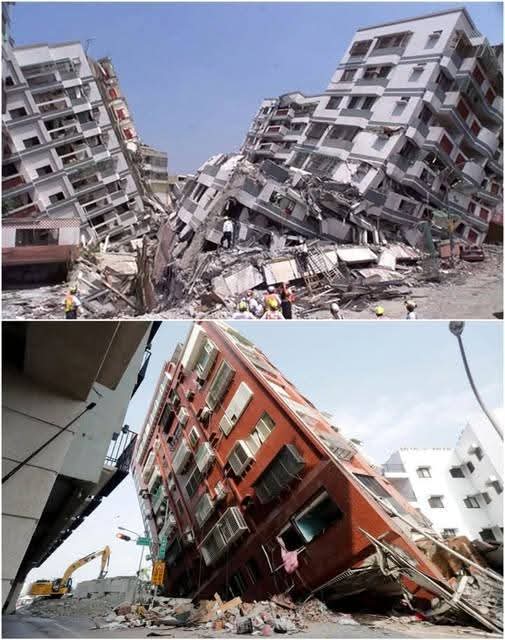
    In downtown Bogotá, one of the most harrowing scenes unfolded when a multi-story red-brick residential tower fractured at its core and pitched perilously over an adjacent building, its cracked balconies and dangling air-conditioning units casting long, jagged shadows across streets littered with concrete and twisted rebar.

    First responders rushed to the affected neighborhoods amid clouds of dust and the wail of emergency sirens. Firefighters, paramedics, and volunteers formed human chains to clear mangled debris while heavy cranes and earthmovers clawed through the rubble in search of survivors. Families huddled on sidewalks clutching water bottles and blankets; some wept as they watched rescuers gently pull out children and elderly residents, coughing but miraculously alive. With aftershocks rattling already unstable structures, crews worked in coordinated urgency, guided by the urgent beeps of listening devices trained to detect muffled calls from beneath piles of shattered masonry.

    Hospitals in Bogotá and neighboring towns immediately declared emergencies, diverting all available trauma surgeons to treat the influx of injured. Makeshift triage centers sprang up in sports halls and school courtyards, where volunteers wrapped wounds, administered pain relief, and offered warm soup to the displaced. Power lines snapped and water mains ruptured across multiple districts, forcing authorities to deploy portable generators and water tankers. City officials advised residents to boil tap water and to remain outdoors until buildings could be declared safe by structural engineers.

    In Villavicencio, closer to the epicenter, farmers abandoned fields still soggy from last night’s rain, fearing the abrupt jolts would trigger landslides on the steep hillsides. Dozens of rural communities reported cracked foundations and collapsed barns, cutting off access roads that rescue convoys labored to clear. The governor’s office dispatched military engineers to reinforce vulnerable slopes and restore communications, while emergency shelters opened in schools and community centers, offering basic hygiene supplies and counseling to traumatized families.

    President Duque addressed the nation by midday, promising swift government action and international support if needed. He announced an immediate $50 million relief package for search-and-rescue operations, structural assessments, and temporary housing. “Colombians are no strangers to hardship, but our resilience and solidarity will guide us through this catastrophe,” he declared, urging calm and cooperation. Regional governors and mayors coordinated efforts via video conference, mapping out logistics to deliver food, medicine, and bedding to the hardest-hit zones.

    As dusk fell over the scarred cityscape, rescue teams continued probing the fractured building in Bogotá, their headlamps bobbing through dust clouds as they called out into the darkness. Neighbors formed chains to pass debris to the street, where bulldozers carried it away to create access lanes. Children wrapped in emergency blankets clung to parents, soot-smudged but hopeful, while rescue dogs nosed through cracks, ears pricked for signs of life. The air was thick with tension and determination—a testament to human courage in the face of Earth’s unpredictable fury.

    With the tremors subsiding, the focus now turns to rebuilding and healing. Engineers will spend days inspecting schools, hospitals, and homes for hidden damage; therapists and community leaders will tend to the emotional wounds of those who lost loved ones. But amid the chaos, stories of bravery and compassion have already emerged: a neighbor who risked his own safety to save an elderly couple, a group of teenagers who organized water distribution for stranded commuters, and countless volunteers clearing roads so ambulances could pass. In the shadow of destruction, Colombia’s spirit shines bright—undaunted, united, and determined to rise again.

  • Better Than Fries: Crispy, Delicious, and Effortlessly Easy Potato Wedges

    Better Than Fries: Crispy, Delicious, and Effortlessly Easy Potato Wedges

    When you’re craving that crispy, satisfying bite of fries but want a healthier option, these egg-coated, oven-baked potato wedges are just what you need. This easy-to-make recipe delivers all the crispiness and flavor you love without any oil or deep-frying. Perfect for gatherings, parties, or as a guilt-free side, these wedges are a crowd-pleaser that’s sure to impress!

    Ingredients and Equipment Needed

    IngredientAmount
    Potatoes4 medium-sized (skin on for extra crunch and nutrients)
    Eggs2 large
    Salt1 teaspoon
    Pepper1/2 teaspoon
    Paprika (optional)1/2 teaspoon (adds a nice smoky flavor)
    Garlic Powder (optional)1/2 teaspoon (for extra flavor)

    Equipment:

    • Baking sheet
    • Parchment paper
    • Large bowl
    • Whisk

    Step-by-Step Preparation Guide

    Step 1: Preheat the Oven

    Preheat your oven to 390°F (200°C). Line a baking sheet with parchment paper to keep the wedges from sticking and for easy cleanup.

    Step 2: Prepare the Potatoes

    Wash the potatoes well and pat them dry with a towel. Leaving the skin on not only saves time but also adds a boost of texture and nutrients. Slice the potatoes into evenly sized wedges to ensure even cooking.

    Step 3: Make the Egg Coating

    In a large bowl, crack the two eggs and whisk until well combined. Add the salt, pepper, and optional paprika and garlic powder for extra seasoning. Whisk thoroughly to create a smooth, seasoned mixture.

    Step 4: Coat the Potatoes

    Add the potato wedges to the bowl with the egg mixture and toss until each piece is evenly coated. This egg coating is the secret to the wedges’ crispiness, so make sure all the potatoes are well covered.

    Step 5: Arrange on Baking Sheet

    Place the coated wedges in a single layer on your prepared baking sheet, ensuring they don’t overlap. This allows each wedge to crisp up beautifully. Bake in the preheated oven for 25-30 minutes, flipping the wedges halfway through to ensure even browning.

    Step 6: Serve and Enjoy

    Once they’re golden brown and crispy, remove the wedges from the oven. Let them cool for a few minutes to allow the coating to set before serving. Pair with your favorite dipping sauce or enjoy as they are!

    Enjoy these crispy oven-baked potato wedges, a healthier alternative to traditional fries that doesn’t compromise on flavor or texture. Perfect for any occasion! 

  • Shocking Incident in Tremonton: 31-Year-Old Woman Shoots Police Officers, Two Dead and One Injured

    Shocking Incident in Tremonton: 31-Year-Old Woman Shoots Police Officers, Two Dead and One Injured

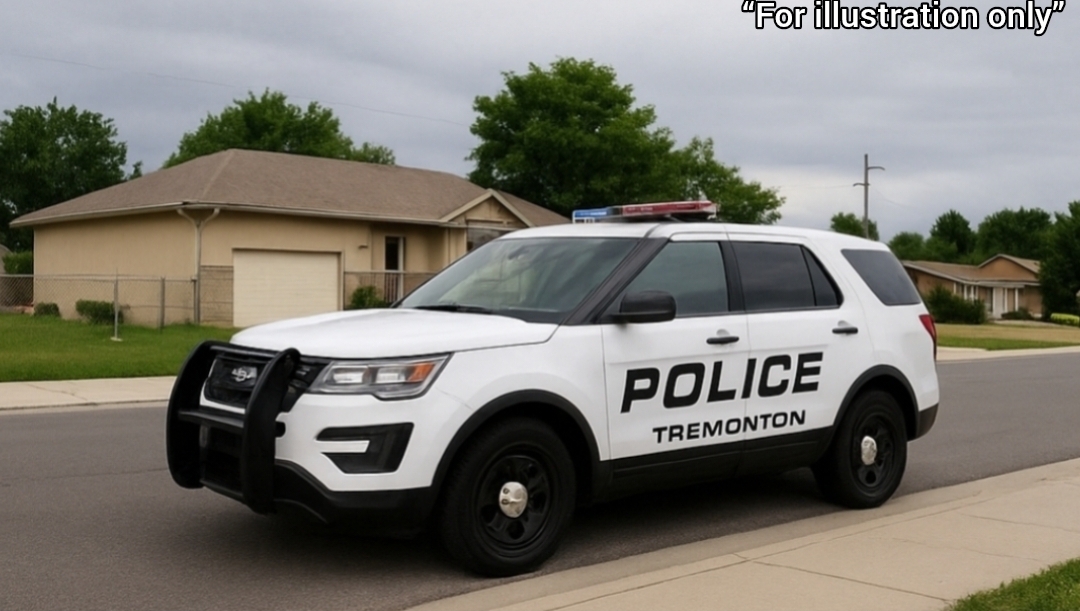
    A dramatic and tragic event shook the city of Tremonton, Utah, on August 18, 2025, when a 31-year-old woman opened fire on a police team, resulting in the deaths of two officers and injuries to a third. The incident occurred following a domestic violence report, highlighting the dangers law enforcement faces every day.

    According to court documents, the woman’s husband had been involved in a violent altercation with her, hitting her with his head, shoving her against a wall, and threatening her life. When police officers arrived at the scene to intervene and ensure safety, the woman pulled out a firearm and shot, causing the tragic outcome.

    Authorities arrested Ryan Michael Bate, 32, who is currently in custody facing first-degree murder charges. The incident has sparked widespread concern in the community and reignited the debate over public safety and the use of force by police officers.

    The Tremonton shooting is part of a series of violent events that have occurred in 2025. Similar incidents have been reported in Baltimore, Michigan, and Hamilton, highlighting a concerning trend that demands immediate attention from authorities and communities alike.

    In response, law enforcement agencies have launched thorough investigations to understand the circumstances and ensure justice for the victims and their families. Safety experts and community psychologists emphasize the importance of addressing domestic violence seriously and preventing situations that can escalate into tragedy.

    Conclusion:

    Shocking events like the Tremonton shooting remind us of the importance of strengthening justice and security institutions. They also highlight the need for careful and responsible approaches to the use of force by authorities, ensuring the protection of both citizens and law enforcement officers.

    Disclaimer: The story and events in this article are described for entertainment and informational purposes; the accompanying image is AI-generated.

  • A Natural Alternative to Botox for Wrinkle Reduction

    A Natural Alternative to Botox for Wrinkle Reduction

    Ginger, often hailed as a superfood, is not only a culinary favorite but also a powerful natural remedy for skin health. Packed with antioxidants, anti-inflammatory properties, and essential nutrients, ginger offers a natural way to combat wrinkles and promote youthful skin—no needles required!

    Why Ginger Works for Wrinkle Reduction

    • Boosts Collagen Production: Ginger contains gingerol, which enhances blood circulation and stimulates collagen production, helping to maintain skin elasticity and firmness.
    • Neutralizes Free Radicals: Rich in antioxidants, ginger helps combat oxidative stress that leads to premature aging, reducing the appearance of fine lines and wrinkles.
    • Improves Skin Tone: Its anti-inflammatory properties help reduce redness, puffiness, and uneven skin tone, leaving your complexion smoother and more radiant.
    • Promotes Natural Exfoliation: Ginger gently exfoliates dead skin cells, unclogs pores, and promotes cell renewal, revealing fresher, younger-looking skin.

    How to Use Ginger for Wrinkle Reduction

    • Ingredients:
      • 1 tablespoon fresh ginger juice (grate ginger and squeeze out the juice)
      • 1 tablespoon raw honey
    • Instructions:
      • Mix ginger juice and honey into a smooth paste.
      • Apply to your face, focusing on areas prone to wrinkles.
      • Leave on for 15–20 minutes, then rinse with lukewarm water.
      • Use 2–3 times a week for best results.
    1. Ginger-Infused Facial Serum
      • Ingredients:
        • 2 teaspoons ginger juice
        • 1 tablespoon aloe vera gel
        • 1 teaspoon jojoba oil
      • Instructions:
        • Combine all ingredients in a small bowl and mix well.
        • Apply a few drops to your face at night, massaging gently into the skin.
        • Store in a clean, airtight container in the fridge for up to a week.
    2. Ginger and Coconut Oil Eye Cream
      • Ingredients:
        • 1 teaspoon grated ginger
        • 1 tablespoon coconut oil
      • Instructions:
        • Mix grated ginger and coconut oil.
        • Apply a small amount around your eyes before bedtime.
        • Gently massage and leave overnight.
        • Wash off in the morning with a gentle cleanser.

    Additional Tips for Using Ginger

    • Patch Test First: Ginger can be potent, so test on a small area of skin to ensure there’s no irritation.
    • Use Fresh Ginger: Fresh ginger root offers the most potent benefits compared to powdered forms.
    • Incorporate into Your Diet: Drinking ginger tea or adding ginger to meals boosts your skin health from the inside out.

    Benefits Beyond Wrinkles

    • Brightens Skin: Improves overall complexion by boosting circulation.
    • Reduces Acne Scars: Speeds up healing and reduces pigmentation.
    • Soothes Inflammation: Calms irritated skin and reduces puffiness.
  • Transform Your Bathroom: The Ultimate Guide to Cleaning Your Toilet with Baking Soda

    Transform Your Bathroom: The Ultimate Guide to Cleaning Your Toilet with Baking Soda

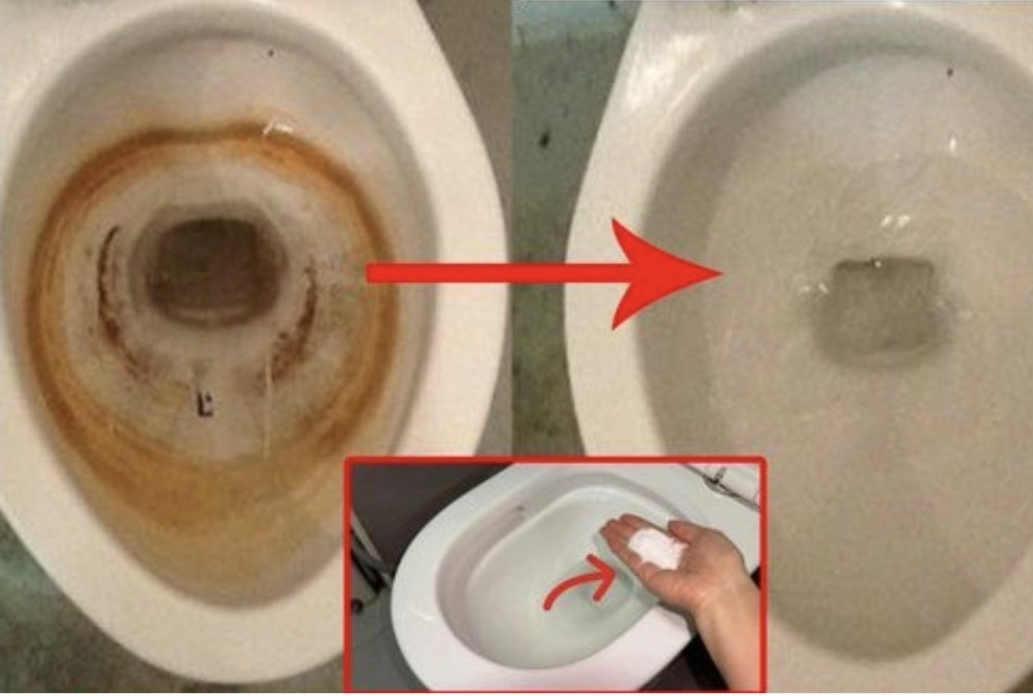
    Cleaning the toilet is a chore that few enjoy, yet it’s essential for maintaining a hygienic home. Over time, toilets can develop stubborn stains and unpleasant odors that standard cleaners might not fully address. Enter baking soda—a natural, cost-effective solution that can revolutionize your cleaning routine.

    Why Choose Baking Soda for Toilet Cleaning?

    Baking soda, or sodium bicarbonate, is a versatile household staple renowned for its cleaning prowess. Its mild abrasive nature effectively tackles grime without scratching surfaces, while its alkaline properties neutralize odors and break down organic stains. Plus, it’s eco-friendly and safe for septic systems.

    How to Clean Your Toilet with Baking Soda

    Gather Your Supplies:

    • Baking soda (1 cup)
    • White vinegar (1 cup)
    • Toilet brush
    • Rubber gloves

    Step-by-Step Guide:

    1. Prep the Toilet: Flush to wet the sides of the bowl.
    2. Add Baking Soda: Sprinkle 1 cup of baking soda around the bowl, focusing on stained areas.
    3. Pour Vinegar: Slowly add 1 cup of white vinegar. The mixture will fizz, aiding in stain removal.
    4. Let It Sit: Allow the solution to work for 15 minutes.
    5. Scrub: Use the toilet brush to scrub the bowl, paying attention to stubborn stains.
    6. Flush: Rinse away the solution by flushing.

    Tackling Tough Stains

    For persistent stains:

    • Create a paste with baking soda and water.
    • Apply directly to the stain.
    • Let it sit for 30 minutes.
    • Scrub and flush.

    Preventing Future Stains

    • Regular Cleaning: Use baking soda weekly to prevent buildup.
    • Proper Ventilation: Reduce humidity to deter mold and mildew.
    • Prompt Repairs: Fix leaks to prevent water stains.

    Benefits of Using Baking Soda

    • Non-Toxic: Safe for family and pets.
    • Affordable: Inexpensive compared to commercial cleaners.
    • Eco-Friendly: Reduces reliance on chemical cleaners.
    • Deodorizing: Neutralizes odors naturally.

    Conclusion

    Incorporating baking soda into your cleaning routine offers an effective, eco-friendly, and affordable method to maintain a sparkling toilet. Its natural properties make it a superior choice for those seeking a healthier home environment. So, next time your toilet needs a thorough clean, reach for baking soda—the humble hero of household cleaning.