• 🤫Many people don’t know it. A woman’s large breasts indicate that her vag…

    🤫Many people don’t know it. A woman’s large breasts indicate that her vag…

    Many people don’t realize that certain physical traits in women, such as breast size, are influenced by genetics, hormones, and overall body composition. Breast development is primarily driven by estrogen, a hormone responsible for the growth of breast tissue during puberty and reproductive years. While breast size varies widely among individuals, it does not reliably indicate other aspects of reproductive anatomy.

    It’s a common misconception that breast size can predict fertility, genital size, or sexual health. Scientific studies have consistently shown that these characteristics are independent of each other. Factors such as genetics, nutrition, body fat distribution, and hormonal levels play a far greater role in determining both breast size and reproductive health.

    Understanding human anatomy in a factual and respectful way is important for debunking myths and promoting body positivity. Women’s bodies naturally vary in shape and size, and these variations are normal and healthy. Emphasizing education over assumptions helps people develop a more accurate understanding of how biology works.

    Additionally, breast size can change over time due to age, pregnancy, breastfeeding, weight fluctuations, and hormonal changes. These changes are natural and part of the normal life cycle. Maintaining overall health through proper nutrition, exercise, and regular medical check-ups is far more important than focusing on size as a measure of health or reproductive ability.

    Conclusion: While myths about breast size persist, there is no scientific link between breast size and other reproductive characteristics. Understanding the biology of the female body helps promote education, respect, and healthy attitudes toward natural variations in anatomy. Focus on overall well-being and body positivity rather than stereotypes or assumptions.

    Disclaimer: The information provided in this article is for educational and informational purposes only and is intended to promote understanding of human biology in a safe and respectful manner.
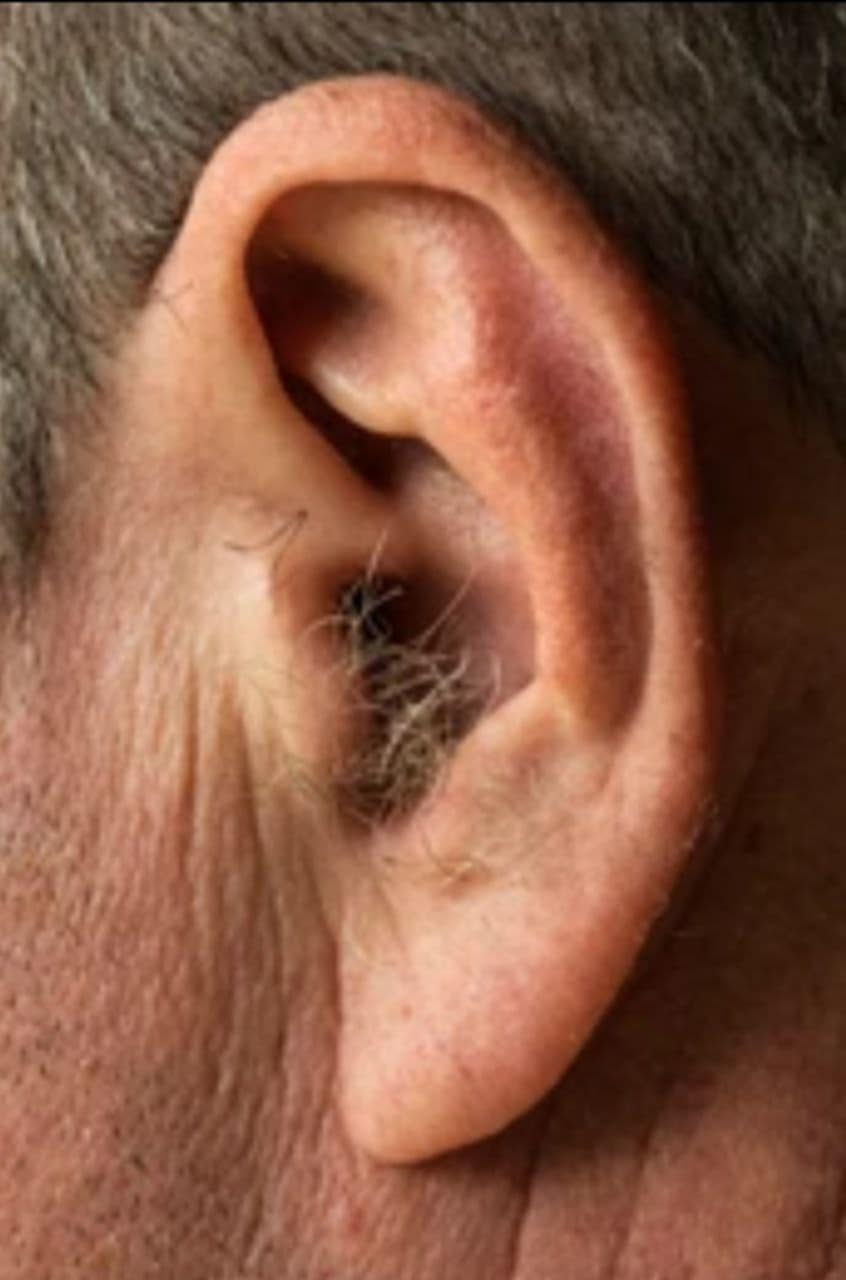

  • Did you know that if your ear hairs grow, it is because your body is…

    Did you know that if your ear hairs grow, it is because your body is…

    Did you know that if your ear hairs grow, it is because your body is undergoing a natural aging process? Ear hair growth is a common phenomenon, particularly in men, and is closely linked to hormonal changes, specifically an increase in dihydrotestosterone (DHT), a derivative of testosterone. As people age, DHT can stimulate hair follicles in areas like the ears, nose, and eyebrows, leading to more noticeable hair growth.

    While it might seem unusual or even embarrassing, ear hair actually serves a purpose. Like other body hairs, it helps trap dust, debris, and small particles from entering the ear canal, providing a natural protective barrier for one of the most sensitive organs in the body. However, excessive growth may require grooming to maintain comfort and appearance.

    Interestingly, genetics play a significant role in determining how much and how quickly ear hair grows. Some individuals may notice minimal growth even in later years, while others experience more pronounced changes. Lifestyle factors, health, and overall hormonal balance can also influence the rate of hair growth.

    Medical experts note that ear hair growth is typically harmless. However, sudden or unusual hair growth, especially when accompanied by other symptoms, may occasionally indicate underlying hormonal imbalances or health issues. In such cases, consulting a healthcare professional is advisable to ensure overall well-being.

    For many, managing ear hair becomes part of regular grooming routines. Trimming or using specialized ear hair grooming tools is safe and can help maintain a neat appearance without causing damage to the sensitive ear canal. Some people also prefer using gentle wax or laser treatments in extreme cases, though these methods should be approached with caution and professional guidance.

    Conclusion: The growth of ear hairs is a natural part of aging and hormonal changes. While it may surprise or amuse some, it is generally a harmless phenomenon with a practical purpose. Proper grooming and awareness can help maintain comfort and appearance while understanding the biological reasons behind this common bodily change.

    Disclaimer: The information provided in this article is for educational and entertainment purposes only and should not replace professional medical advice.

  • Cheating Wife Caught Running Home In The Snow. Try not to gasp when you see …

    Cheating Wife Caught Running Home In The Snow. Try not to gasp when you see …

    It was a cold winter evening, and snow blanketed the quiet streets, creating a serene but deceptive atmosphere. Residents were tucked inside their homes, enjoying the warmth, unaware of the dramatic events unfolding outside. The scene seemed peaceful, but for one couple, the night was about to reveal a shocking truth.

    In the distance, a figure could be seen running through the snow, leaving footprints behind as she hurried along the icy paths. At first glance, it appeared to be just someone struggling against the cold, but closer observation revealed that her actions carried a deeper story. This woman, trying to avoid being noticed, was moving quickly, almost desperately, as though fleeing from something—or someone.

    Meanwhile, at home, the other half of the couple had begun to suspect that something was amiss. Small signs over the past weeks—missed calls, unusual behavior, and hidden messages—had built up a growing sense of unease. Now, seeing her sprint through the snow confirmed suspicions that had long been quietly haunting them. The cold, harsh winter acted as an unintentional spotlight, exposing secrets that were previously hidden.

    Neighbors who happened to glance out their windows were equally stunned. Snow muffled the sounds of hurried footsteps, but the sight was enough to create murmurs and raised eyebrows. Questions arose: Why was she running at this hour? Where was she coming from? And most importantly, what had brought her to this desperate moment in the snow?

    As the story unfolded, it became clear that trust had been broken and that actions have consequences. The dramatic chase through the snow was not only literal but also symbolic—a manifestation of the tension, secrecy, and urgency that had been building for months. The snow-covered streets became a stage for a moment of revelation, where the truth could no longer be hidden.

    Conclusion: While the scene of a person running through snow may seem cinematic, it serves as a powerful reminder of human emotions, relationships, and the consequences of choices. The story highlights the fragile nature of trust and how quickly secrets can be exposed, even in the quietest, most unsuspecting places. Moments like these, though dramatic, offer reflection on honesty, accountability, and the importance of communication in our daily lives.

    Disclaimer: The events described in this article are presented for informational and entertainment purposes only.

  • Minutes BEFORE DISASTER Tourists were enjoying themselves until…

    Minutes BEFORE DISASTER Tourists were enjoying themselves until…

    It was a sunny afternoon, and tourists from all over the world were enjoying themselves at one of the most thrilling amusement park attractions. The ride was known for its high drops and panoramic views, promising excitement and unforgettable memories. Laughter and screams of delight filled the air as visitors snapped photos and filmed videos of their daring experience.

    Everything seemed normal at first. The platform, designed to lift riders high above the ground, moved smoothly along its track. People were chatting, taking in the sights, and feeling the rush of adrenaline. The atmosphere was one of joy, anticipation, and thrill, with everyone confident in the ride’s engineering and safety measures.

    But then, something unexpected happened. Moments before the ride reached its peak, the platform suddenly started to drop in a way that was not part of the normal operation. Panic spread instantly among the riders. Screams of terror replaced the earlier laughter as people clutched their harnesses and tried to comprehend what was happening. The experience had transformed from a fun adventure into a frightening ordeal in seconds.

    Onlookers at the ground level watched in shock as the situation unfolded. Emergency procedures kicked in immediately. Ride operators activated safety protocols, and park staff rushed to manage the chaos. The quick response was crucial in preventing injuries, and thankfully, thanks to built-in safety mechanisms, most riders remained secure despite the alarming drop.

    Investigations later revealed that a mechanical fault had triggered the sudden descent. Engineers examined the platform, the lifting mechanisms, and the safety systems to determine the cause and prevent future incidents. Amusement parks routinely perform rigorous maintenance checks, but this incident highlighted the unpredictable nature of machinery and the importance of constant vigilance when dealing with extreme attractions.

    For the tourists involved, the memory of that day was a mixture of excitement and fear. Many expressed relief at having survived the incident and gratitude toward the staff who acted swiftly. Some described it as a life-changing moment, realizing just how quickly ordinary fun can turn into a dangerous situation.

    Conclusion: Extreme attractions offer thrill and entertainment, but they also carry inherent risks. The incident serves as a reminder of the importance of safety measures, quick response, and awareness when enjoying high-adrenaline rides. For visitors, it’s a lesson in both caution and appreciation for the efforts taken to protect them in case of emergencies.

    Disclaimer: The events described in this article are based on reported incidents and are intended for informational and entertainment purposes only.

  • Meaning behind the ‘WC’ sign outside bathrooms

    Meaning behind the ‘WC’ sign outside bathrooms

    Have you ever noticed the letters WC posted outside a public bathroom and wondered what it means? The term “WC” is an abbreviation for Water Closet, a phrase that originated in the 19th century. In its earliest usage, a water closet referred to a room with a flushing toilet connected to a water supply, which was a significant innovation in sanitation at the time.

    The concept of the water closet became widespread in Europe, particularly in England, where indoor plumbing started to transform homes and public spaces. By marking bathrooms with the abbreviation “WC,” establishments provided a clear and internationally recognized symbol for facilities, especially important in places frequented by travelers who might not understand the local language.

    Interestingly, while “WC” is common in many European countries, different regions have their own symbols and terms. For example, in the United States, signs typically read “Restroom” or “Bathroom,” while other countries might use their native language abbreviations. Despite these differences, the letters WC have remained widely understood and serve as a universal indicator for toilet facilities.

    Over time, the WC sign has also taken on cultural significance. It often appears in public areas, train stations, airports, and restaurants, acting as a simple guide for hygiene and convenience. Its use underscores the global importance of sanitation and the need for accessible public facilities, which is a fundamental aspect of urban planning and public health.

    In modern design, WC signs have evolved to include pictograms of a man and woman, often alongside the letters, to make identification even easier. This combination of letters and imagery ensures clarity for people of all ages and linguistic backgrounds, highlighting the role of effective signage in everyday life.

    Whether you are traveling abroad or just exploring your city, recognizing the meaning of WC can save time and provide a small but important sense of orientation. It’s a reminder of the historical developments in sanitation that have shaped our current standards for cleanliness and comfort.

    Conclusion: The letters WC may seem simple, but they carry with them a long history of innovation and global communication. They serve as a practical symbol for public bathrooms while reflecting broader themes in hygiene, urban planning, and international understanding. Next time you see a WC sign, you’ll know it stands for Water Closet and appreciate the significance behind this everyday abbreviation.

    Disclaimer: The information provided in this article is for general informational purposes only and is intended for entertainment and educational use.

  • Our thoughts and prayers go out to Donald Trump and his family for their tragic loss

    Our thoughts and prayers go out to Donald Trump and his family for their tragic loss

    The renowned political analyst Lou Dobbs has passed away at the age of 78, leaving behind a legacy as a polarizing figure in American media. Best known for his tenure at CNN and Fox News, Dobbs made his mark with sharp commentary and often contentious viewpoints, particularly regarding his outspoken remarks about former President Barack Obama, which sparked considerable debate throughout his career.

    In a heartfelt tribute on Truth Social, former President Donald Trump expressed his deep admiration for Dobbs. “Lou was an incredible talent,” Trump wrote, describing him as a “friend and truly amazing reporter, journalist, and artist.” He continued, “Lou was unique, and he loved our nation.” The former president’s words reflect the significant impact Dobbs had on political reporting and his lasting influence in the media landscape.

    Dobbs’ career spanned decades, with his journey into television beginning in the mid-1970s. His early years were spent in radio, where he worked at KBLU in Arizona. However, it was his move to NBC’s King-TV in Seattle that marked the beginning of his transition to television. Dobbs quickly made a name for himself as a tenacious and insightful reporter. In 1980, he became one of the first reporters at CNN, where he would go on to host Moneyline, a business news program that gained widespread popularity. His success at CNN established him as a household name in the world of political analysis and business reporting.

    However, Dobbs’ career was not without its controversies. His outspoken views, particularly on issues like illegal immigration, led to his departure from CNN in 2009. Despite the controversies, Dobbs remained a prominent figure in media, shifting to Fox Business, where he began hosting Lou Dobbs Tonight in 2010. His program became a staple on the network, often reflecting his strong conservative stance on various political and economic issues. Dobbs continued hosting the show until its cancellation in 2021, marking the end of an era for the program that had made him a central figure in cable news for over a decade.

    Throughout his career, Dobbs maintained a distinctive voice, never afraid to challenge the political establishment or address issues head-on, even when those opinions sparked backlash. His unwavering commitment to his beliefs made him both admired and criticized, but undeniably left a lasting imprint on political discourse.

    As the news of his passing reverberates through the media world, tributes continue to pour in, celebrating his legacy as one of the most influential figures in modern television news. His contributions to the field, though often controversial, have shaped the landscape of American political reporting, and his absence will be felt by many in the world of journalism.

    Lou Dobbs leaves behind a career that was as much about sparking conversation as it was about reporting the news, forever remembered as a giant in the realm of political analysis.

  • The Legs Of A Woman Can Say…

    The Legs Of A Woman Can Say…

    A woman’s legs can “say” a lot, depending on how they are positioned, moved, or presented. Body language is powerful, and legs can communicate confidence, attraction, shyness, dominance, or even discomfort. Here are some common interpretations:

    • Crossed legs – Can signal modesty, defensiveness, or relaxation, depending on the situation.
    • Uncrossed and open posture – Often associated with confidence, openness, or comfort.
    • Legs close together – Can indicate shyness, insecurity, or formality.
    • Legs spread apart – Can show dominance, confidence, or a relaxed attitude.
    • Legs constantly moving (fidgeting, bouncing, shifting) – Might suggest nervousness, impatience, or excitement.
    • Slow, deliberate leg movements – Can be seen as seductive or intentional.
    • Fast, sharp movements – Might indicate frustration or urgency.

    A woman’s legs can be a powerful form of nonverbal communication, revealing emotions, confidence, and even intentions. Here’s a deeper look into what different leg positions and movements might suggest:

    Confidence & Power

    • When a woman stands with her legs slightly apart, firmly planted, it often conveys strength, assertiveness, and confidence.
    • Walking with long, deliberate strides suggests self-assurance and purpose.
    • Sitting with one leg crossed over the other at the knee can be both elegant and dominant, often showing control over the space around her.

    Attraction & Seduction

    • Slowly crossing and uncrossing the legs can be an intentional or subconscious flirtatious gesture.
    • Dangling a shoe off the toes or lightly brushing one leg against the other can be playful and seductive.
    • A woman standing with one leg slightly bent, shifting weight onto the other, can highlight curves and appear inviting.

    Defensiveness & Discomfort

    • Sitting with tightly crossed legs, especially with arms folded, may indicate a closed-off or defensive attitude.
    • Keeping knees and feet pressed together while seated can signal shyness, nervousness, or discomfort.
    • Tapping or bouncing a leg rapidly might show impatience, anxiety, or restlessness.

    Casual & Relaxed

    • Sitting with legs loosely crossed at the ankles often signals ease and composure.
    • Standing with one foot slightly in front of the other, weight shifted to the back leg, can suggest a laid-back, relaxed demeanor.
    • Sprawling or stretching out the legs while seated can indicate a high level of comfort and confidence in the environment.

    Dominance & Control

    • A “figure-four” leg cross (ankle resting on the opposite knee) is a classic power move, often seen in confident individuals.
    • Placing one foot slightly forward in a group setting can subconsciously claim space and assert presence.

    Legs, like other aspects of body language, should always be read in context. Cultural differences, personality, and the specific situation all play a role in interpreting meaning.

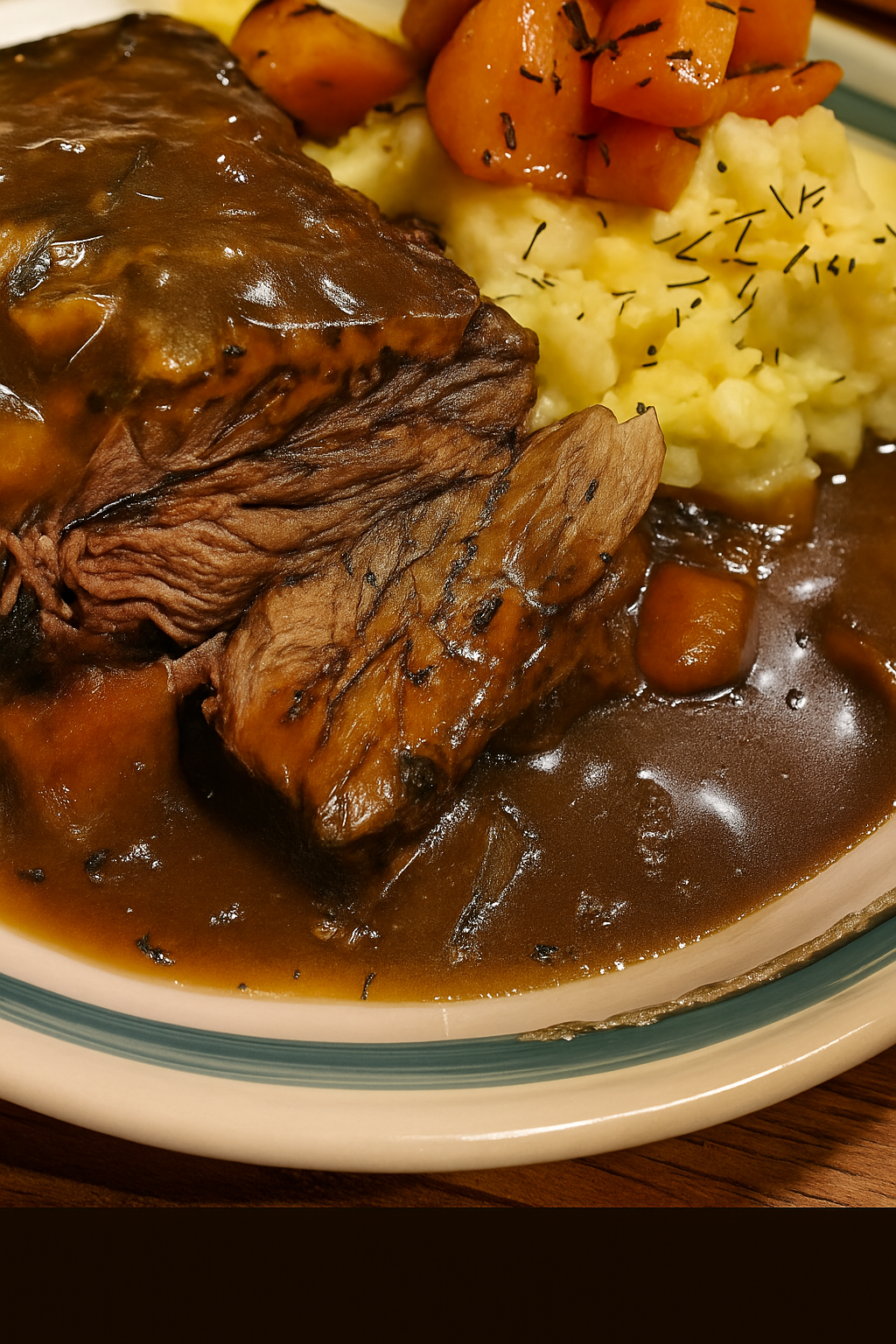
  • Ultimate Slow-Cooked Pot Roast with Mashed Potatoes & Glazed Carrots

    Ultimate Slow-Cooked Pot Roast with Mashed Potatoes & Glazed Carrots

    There’s nothing more comforting than a perfectly slow-cooked pot roast smothered in rich brown gravy, paired with  creamy mashed potatoes and sweet glazed carrots. This hearty dish is perfect for Sunday dinner or any time you need a cozy, satisfying meal.

    Ingredients:

    For the Pot Roast:

    3 to 4 lbs chuck roast (or beef shoulder)

    Salt and black pepper (to taste)

    2 tbsp olive oil

    1 large onion, sliced

    4 garlic cloves, minced

    2 cups beef broth

    1 tbsp Worcestershire sauce

    2 tbsp tomato paste

    1 tsp dried thyme

    1 tsp dried rosemary

    3 carrots, peeled and chopped

    2 tbsp cornstarch (optional, for thickening)

    For the Mashed Potatoes:

    2 lbs russet or Yukon gold potatoes, peeled and cubed

    4 tbsp  butter

    1/2 cup whole  milk or heavy cream

    Salt and pepper to taste

    Optional: dried parsley or dill for garnish

    For the Glazed Carrots:

    3 large carrots, peeled and sliced

    2 tbsp butter

    1 tbsp brown sugar

    Pinch of salt


    Instructions:

    1. Sear the Roast:

    Pat the roast dry and season generously with salt and pepper.

    In a large Dutch oven or slow cooker on sauté mode, heat olive oil and sear the roast on all sides until browned (about 4-5 minutes per side). Remove and set aside.

    1. Build the Flavor Base:

    In the same pot, add onions and garlic, sauté for 2-3 minutes.

    Stir in tomato paste, thyme, and rosemary. Let cook for 1 minute.

    Add beef broth and Worcestershire sauce. Bring to a simmer.

    1. Slow Cook:

    Return the roast to the pot. Add chopped carrots around it.

    Cover and cook on low for 8 hours or on high for 4-5 hours until the meat is fork-tender.

    Optional: To thicken the gravy, mix 2 tbsp cornstarch with cold water and stir into the pot in the last 30 minutes.

    1. Make the Mashed Potatoes:

    Boil potatoes in salted water until tender (15-20 minutes). Drain and mash.

    Mix in butter and warm milk/cream. Season with salt and pepper. Keep warm.

    1. Glaze the Carrots:

    In a small skillet, melt butter and stir in brown sugar.

    Add sliced carrots and cook until tender and coated (8-10 minutes).


    Serving Suggestion:

    Plate a generous serving of mashed potatoes, a thick slice of roast with gravy, and a spoonful of glazed carrots. Garnish with herbs if desired.


    Notes:

    This dish reheats beautifully and tastes even better the next day.

    You can substitute the carrots with parsnips or add potatoes directly into the roast if you prefer a one-pot meal.

  • Creamy Potato and Ham Gratin Perfect Comfort Food Casserole

    Creamy Potato and Ham Gratin Perfect Comfort Food Casserole

    This cheesy potato and ham gratin is the ultimate comfort food —  creamy, crispy on top, and packed with flavor! It’s the perfect way to use leftover ham and serve up something irresistibly delicious.

    Groceries

    Ingredients:

    6 medium Yukon Gold or Russet potatoes, thinly sliced

    2 cups diced cooked ham

    2 cups shredded Gruyère or mozzarella cheese (or a mix)

    1 cup grated Parmesan cheese

    2 cups whole  milk

    1 cup heavy cream

    2 tablespoons unsalted  butter

    2 tablespoons all-purpose flour

    1 small onion, finely chopped

    2 cloves garlic, minced

    Salt and pepper, to taste

    Fresh parsley (optional, for garnish)


     Instructions:

    1. Preheat oven:
      Preheat your oven to 375°F (190°C). Grease a large baking dish with butter or cooking spray.
    2. Make the béchamel sauce:
      In a saucepan, melt the butter over medium heat. Add the chopped onion and garlic, sauté until soft (about 3–4 minutes). Stir in the flour and cook for 1 minute, whisking constantly. Slowly whisk in the milk and cream. Continue whisking until the sauce thickens (about 5–7 minutes). Season with salt and pepper.
    3. Assemble the gratin:
      In the greased baking dish, layer half of the sliced potatoes. Sprinkle half of the ham and half of the shredded cheese. Pour half of the sauce over the top. Repeat with the remaining potatoes, ham, and sauce. Top with remaining shredded cheese and Parmesan.
    4. Bake:
      Cover with foil and bake for 40 minutes. Then remove the foil and bake uncovered for another 25–30 minutes, or until golden and bubbly on top.
    5. Rest & serve:
      Let it rest for 10 minutes before serving. Garnish with chopped parsley if desired.

     Tips:

    You can replace ham with cooked bacon or cooked chicken for variation.

    Add a pinch of nutmeg or mustard powder to the sauce for extra depth.

    Make it ahead: Assemble in the morning and refrigerate. Bake when ready to serve.

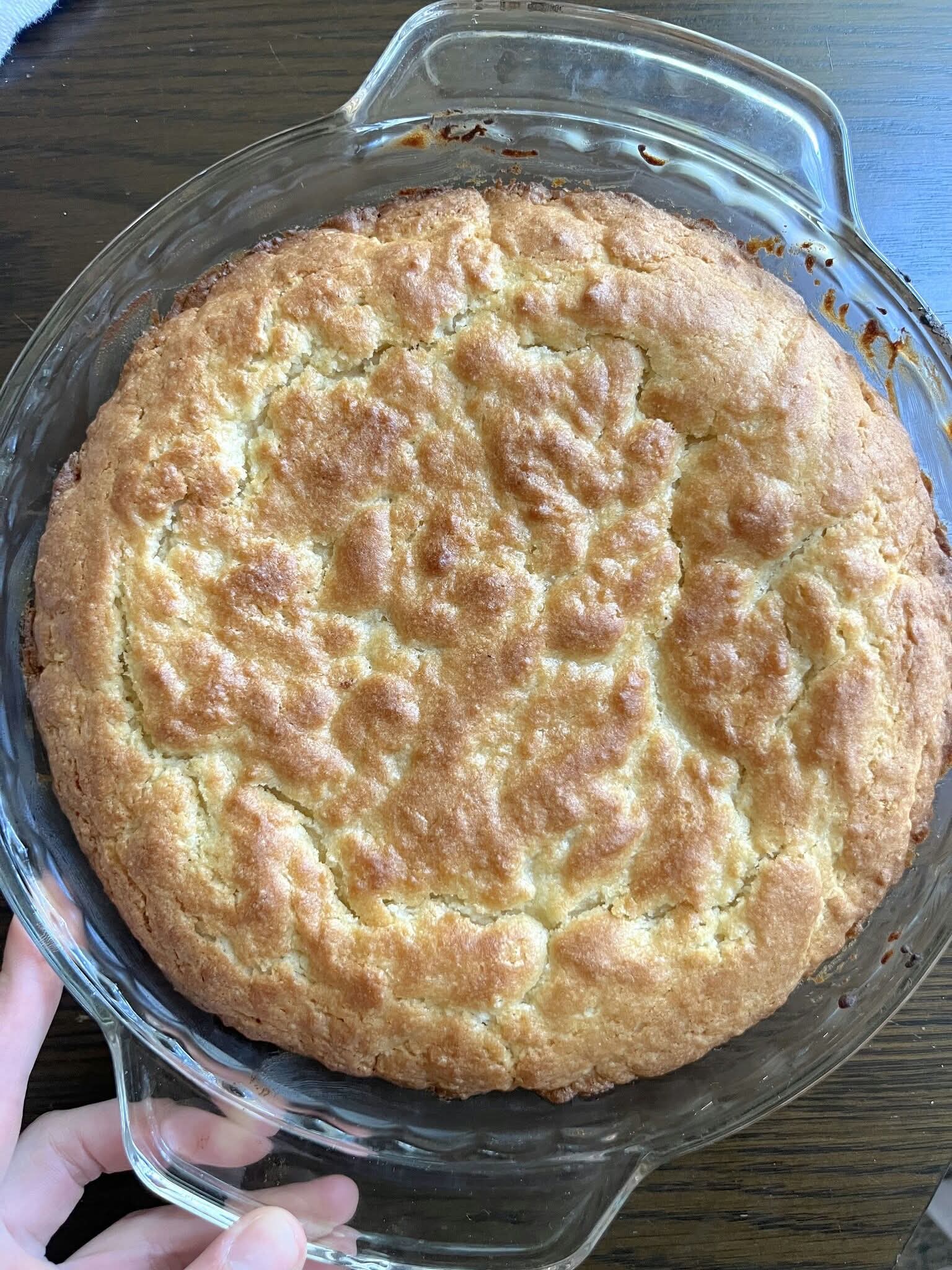
  • Old-Fashioned Shortcake

    Old-Fashioned Shortcake

    This recipe for Old-Fashioned Shortcake brings back the simple charm of a true baking classic. With a tender, subtly sweet, and  buttery  cake base, it’s the perfect foundation for fresh berries and a dollop of whipped cream. This easy-to-make shortcake is a quintessential summer dessert that celebrates fresh flavors and comforting textures.

    Ingredients:

    IngredientQuantity
    All-purpose flour2 cups
    Granulated sugar1 cup
    Baking powder4 teaspoons
    Salt1 teaspoon
    NutmegPinch
     Butter, chilled and cubed½ cup
    Milk⅓ cup
    Egg1

    Instructions:

    1. Preheat Oven & Prepare Pan: Preheat your oven to 425°F (225°C). Grease a 9-inch pie dish or square baking pan thoroughly.
    2. Combine Dry Ingredients & Cut in Butter: In a large mixing bowl, sift together the 2 cups all-purpose flour, 1 cup granulated sugar, 4 teaspoons baking powder, 1 teaspoon salt, and a pinch of nutmeg. Sifting helps to ensure a light texture. Add the ½ cup chilled and cubed butter to the dry ingredients. Using a fork or a pastry cutter, cut the butter into the flour mixture until it resembles coarse crumbs, with some pea-sized pieces of butter remaining. This step is crucial for creating tender shortcake.
    3. Mix in Wet Ingredients: In a separate small bowl, whisk together the ⅓ cup milk and 1 egg. Pour the wet mixture into the dry ingredients. Mix until just combined. Be careful not to overmix the batter; it’s okay if a few small lumps remain, as overmixing can lead to a tough shortcake.
    4. Bake: Transfer the batter evenly into the prepared 9-inch pie dish or square baking pan. Bake for 18-22 minutes, or until the top is golden brown and a toothpick inserted into the center of the shortcake comes out clean.
    5. Cool & Serve: Allow the shortcake to cool in the pan for a few minutes before transferring it to a wire rack to cool completely. Once cooled, slice the shortcake and serve fresh with an abundance of your favorite berries (strawberries, blueberries, raspberries) and a generous dollop of freshly whipped cream.