Margaret Carter never imagined that the person she trusted most would one day abandon her in the cold. On a gray winter afternoon, she believed she was simply running a few errands with her son, Paul. He parked outside a grocery store, handed her a short list, and told her to pick up a few items while he waited in the car. But when Margaret came back outside, her heart sank. The car was gone.
At first, she thought it had to be a mistake. Maybe Paul had circled around. Maybe he had gone to get gas. But as the minutes stretched into hours, Margaret realized the unthinkable — her only son had left her behind. She sat on a frozen bench, clutching the bag of groceries she had managed to buy with her modest Social Security check.
When her phone buzzed, she felt a wave of relief. Surely, it was Paul saying he was on his way back. Instead, the message shattered her heart:
“Found a nursing home for you. They’ll pick you up tomorrow. It’s time.”
That was how Margaret learned she was no longer welcome in her son’s life — not face to face, but through a text message.
An Unexpected Rescue
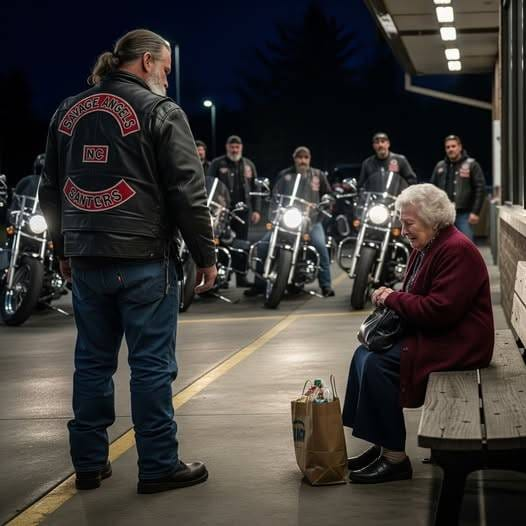
As tears blurred her vision, the roar of motorcycle engines cut through the silence of the parking lot. Seven men in leather jackets, each marked with the emblem of Savage Angels MC, pulled in. To most bystanders, their presence would have been intimidating. But to Margaret, their arrival felt strangely protective, like a wall of strength forming around her.
One of the bikers, a towering man with a heavy beard known as Bear, noticed the elderly woman trembling on the bench. He knelt beside her, his voice gentle despite his rough appearance.
“Ma’am, are you okay?”
Margaret hesitated. Pride and fear tangled inside her, but when Bear’s kind eyes urged her to trust him, she whispered her address. The moment she said it, Bear’s expression hardened with recognition.
He explained something Margaret never knew: her late husband, Frank Carter, had once saved him. Years ago, when Bear was a reckless young man headed down the wrong path, Frank had caught him stealing. Instead of turning him over to the police, Frank offered him food, honest work, and a chance to rebuild his life.
“Your husband saved me,” Bear said with conviction. “Now it’s my turn to return the favor.”
A Mother Reborn
The bikers gently lifted Margaret into a sidecar and rode her home, but what awaited them was another heartbreak. Her belongings — clothes, furniture, even framed photographs — had been dumped onto the lawn. Paul had discarded not only her trust but her very place in the world.
Bear confronted Paul with words that echoed Frank’s teachings:
“A man’s worth is measured by how he honors his debts. You owe your mother more than this.”
Paul had no reply. He drove away without looking back.
That night, Margaret discovered something unexpected. The Savage Angels didn’t leave. They carried her belongings back inside, repaired the broken lock on her door, and filled her pantry with food. They promised she would never again sit alone on a bench, waiting for someone who would never return.
A Queen Among Angels
In the months that followed, the bikers became the family Margaret never knew she needed. They mended her leaking roof, kept her company through lonely evenings, and took her on sidecar rides that made her laugh like a child again.
They gave her a new name — “Queen.” It was more than a nickname; it was a reminder that she was cherished, honored, and respected. Every holiday, every birthday, every ordinary day that might have been empty was now filled with laughter, warmth, and loyalty.
Her son never returned. But in his absence, Margaret gained something far stronger than blood ties. She found a family bound not by DNA, but by loyalty, compassion, and protection.
Family games
A Final Lesson
In her final years, Margaret often told friends and neighbors what she had learned through heartbreak and healing:
“Family isn’t always the one you’re born into. Sometimes, it’s the people who choose to stand by you when everyone else walks away.”
Her story remains a testament to resilience, kindness, and the power of unexpected bonds. Margaret Carter may have been abandoned by her son, but she lived the rest of her life surrounded by love — not from where she expected, but from where she needed it most.
Disclaimer: This story is presented for entertainment purposes, and the accompanying image is generated with AI.
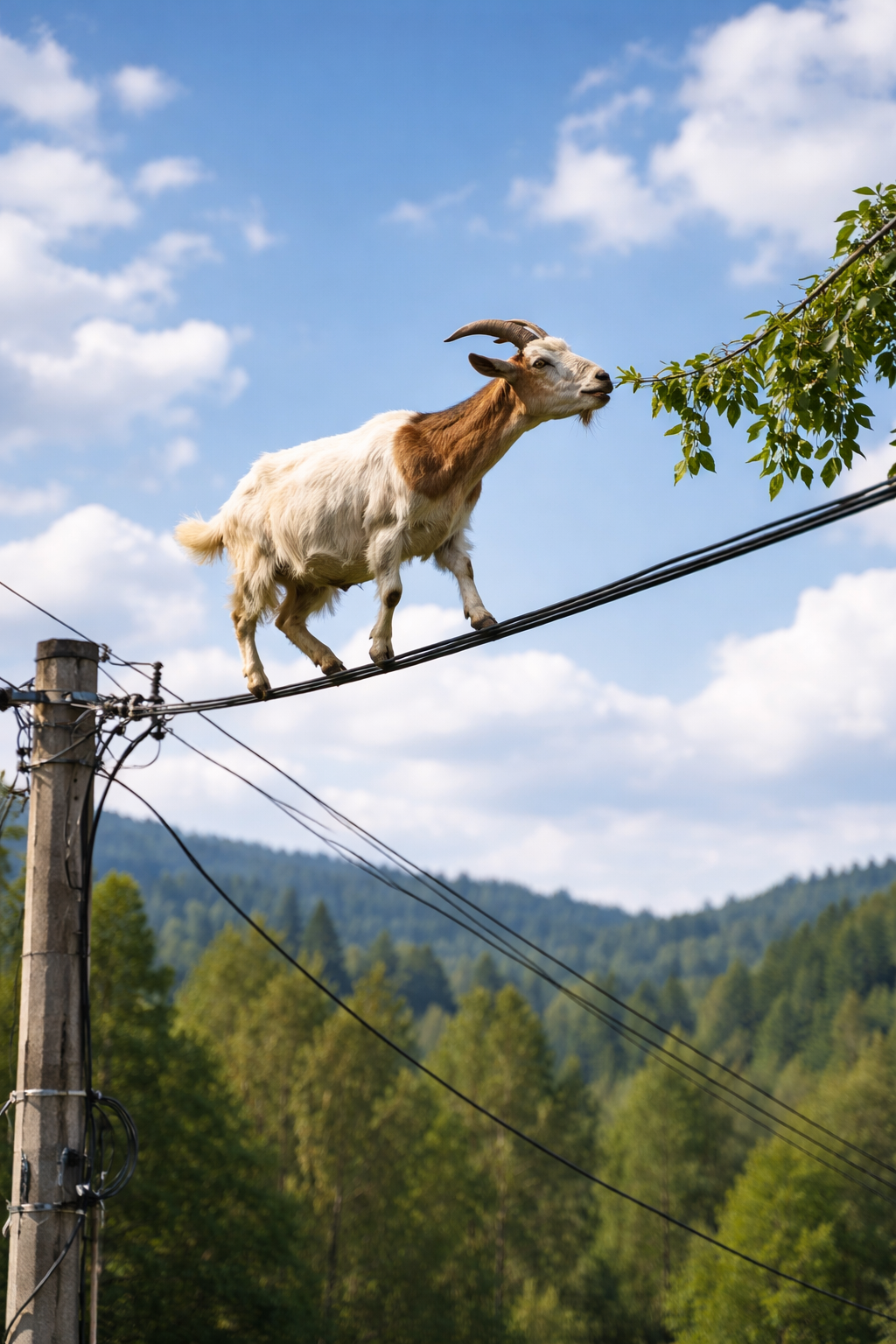
In an extraordinary event that quickly captured the attention of the internet, a goat became an overnight sensation after climbing onto a power line in pursuit of a snack. The viral video shows the animal carefully walking along the wire, stretching toward a branch with leaves hanging tantalizingly close. Despite the obvious dangers of the situation, the goat remained calm, focused, and seemingly unbothered by the height or risk, turning an ordinary day into a jaw-dropping spectacle.
The Remarkable Skills of Goats
Goats are well-known for their climbing abilities, often navigating steep cliffs, narrow ledges, and precarious terrains with astonishing balance and agility. Their hooves are split and equipped with rough pads, giving them excellent grip even on slippery or uneven surfaces. Combined with strong, flexible muscles and a low center of gravity, goats can perform feats that appear impossible to humans.
In this case, the goat’s natural skills were on full display. Walking along a narrow power line while stretching toward a branch might seem reckless, but for the goat, it was a calculated effort to reach a highly desired food source. Experts in animal behavior refer to this type of behavior as “goal-directed risk-taking,” which is common among goats and other intelligent climbing animals.
“Goat Logic” in Action
The incident has been widely described online as an example of “goat logic” — a term used humorously to describe the way goats ignore potential danger in pursuit of a reward. For the goat, the snack was the most important objective, and nothing else seemed to matter. To human observers, the behavior appeared reckless, but from the goat’s perspective, it was a perfectly rational action based on instinct and curiosity.
Social media quickly exploded with reactions to the clip. Viewers expressed amazement, humor, and admiration for the goat’s fearlessness. Comments ranged from “Nature’s tightrope walker” to “This goat has more courage than most humans.” The combination of humor, tension, and skill made the video highly shareable and instantly viral.
Safety Precautions Taken by Locals
While the video provided entertainment, those who witnessed the scene in person acted responsibly. Understanding the potential hazards, they kept a safe distance and called for professional help rather than attempting to intervene directly. Power lines are extremely dangerous, and even minor contact could result in serious injury or death. By alerting authorities and maintaining distance, locals ensured both their safety and the goat’s well-being.
Rescue and wildlife experts advise that approaching animals in dangerous situations should always be avoided. Instead, observers should contact trained professionals who can safely guide animals away from hazards. In this incident, the goat was eventually removed from the power line without harm, demonstrating how patience, caution, and professional intervention can prevent accidents.
The Science Behind Why Goats Take Risks
Goats are naturally curious and highly exploratory animals. They use climbing as both a survival strategy and a form of enrichment. In the wild, these instincts help them reach food in inaccessible areas, escape predators, and navigate complex terrain. The behavior observed on the power line is an exaggerated display of these instincts in an urban setting.
From a behavioral standpoint, goats evaluate risks continuously. While humans perceive the situation as extremely dangerous, goats rely on their evolved skills and confidence in their physical abilities. The motivation to reach a highly desirable snack can override perceived risk, especially when the animal is experienced in climbing.
Lessons for Humans: Respect Wildlife and Infrastructure
This viral incident offers several important takeaways for humans living in proximity to wildlife:
Always maintain a safe distance: Observing animals from afar prevents stress and reduces the risk of accidents.
Do not attempt to intervene directly: Dangerous situations involving electricity or heights should be handled by professionals.
Understand animal behavior: Awareness of instincts, curiosity, and risk-taking can help predict how animals may react.
Educate communities: Sharing knowledge about wildlife safety helps protect both humans and animals.
Monitor livestock or pets: In areas with power lines or other hazards, supervision can prevent accidental injuries.
The story of the snack-seeking goat resonated with people worldwide because it combines humor, awe, and suspense. Viewers were captivated by the animal’s skillful navigation of a high-risk environment, its determination to reach the snack, and its calm demeanor in the face of danger. The video sparked widespread discussion about goat intelligence, bravery, and the unpredictable ways animals interact with human environments.
Beyond entertainment, the clip served as an educational moment, highlighting the importance of respecting both wildlife and human-made infrastructure. It reminded viewers that while animals can perform astonishing feats, human intervention without caution can lead to harm.
The Takeaway
While this daring goat’s behavior was astonishing and entertaining, the broader lesson is clear: nature is full of surprises, and animals often navigate risks that humans would find unimaginable. Observing wildlife safely, calling for expert help when necessary, and appreciating the incredible capabilities of animals can turn a viral moment into a learning experience.
Ultimately, this goat became a symbol of courage, determination, and “goat logic” that people around the world could admire and laugh about. The story highlights how curiosity and instinct can sometimes lead to extraordinary feats — and why respecting natural abilities and safety precautions is essential.
Disclaimer: This article is for informational and general awareness purposes only. It is not intended as a guide for interacting with wildlife or approaching animals near hazardous environments such as live power lines. Always follow local safety guidelines and seek professional assistance when animals are in dangerous situations.
If you’re looking for a soft, fruity, and refreshing dessert, this Peach Yogurt Cake is a must-try! It’s made with creamy yogurt, sweet peach chunks, and a fluffy sponge that melts in your mouth. Perfect for summer afternoons, brunches, or any time you need a feel-good treat.
Ingredients
2 large canned peaches, or 1½ cups diced peaches (well-drained)
3 large eggs
200g (1 cup) plain yogurt (Greek or regular)
100g (½ cup) granulated sugar
50ml (3½ tbsp) vegetable oil (sunflower or canola)
1 tbsp cornstarch (optional – for extra fluffiness)
Pinch of salt
Powdered sugar (for dusting, optional)
Instructions
Preheat your oven to 170°C (340°F). Grease and line a 7-inch (18 cm) round cake pan with parchment paper.
Prepare the peaches: Dice the peaches into small cubes (around 1 cm) and pat them dry with a paper towel to remove excess juice.
Make the batter:
In a large bowl, beat the eggs and sugar until light and foamy.
Add the yogurt, oil, and vanilla extract. Mix until smooth and well combined.
Add dry ingredients:
Sift in the flour, baking powder, cornstarch, and salt.
Gently fold everything together until just combined — don’t overmix.
Incorporate the peaches:
Fold in most of the diced peaches, keeping a few aside for decoration if desired.
Bake:
Pour the batter into the prepared cake pan.
Bake for 45–50 minutes, or until a toothpick inserted into the center comes out clean.
Cool & decorate:
Allow the cake to cool in the pan for 10–15 minutes, then transfer it to a wire rack to cool completely.
Dust the top with powdered sugar before serving.
Serving Suggestions
This cake is perfect as-is, but you can also serve it with:
A dollop of whipped cream
A scoop of vanilla ice cream
Extra peach slices on top
Storage Tips
Keep leftover cake in an airtight container in the fridge for up to 3 days. It tastes even better chilled!
Final Thoughts
This Peach Yogurt Cake is a beautiful blend of light sponge and juicy peach chunks. It’s easy to make and loved by both kids and adults. Whether you’re baking for family, guests, or just treating yourself — this cake never disappoints.
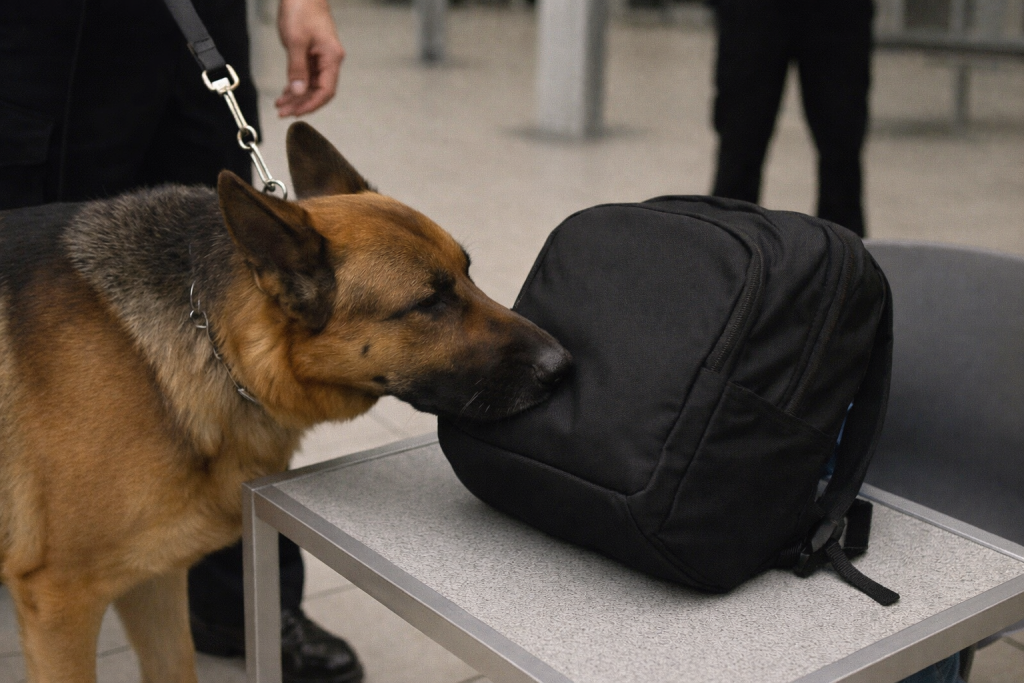
It was a calm Tuesday morning at the international airport. Travelers hurried through security, parents held their children’s hands, and officers conducted routine checks. Nothing seemed out of the ordinary—until a trained security dog suddenly stopped, stiffened, and began barking sharply at a small backpack.
The backpack belonged to a young boy, no older than seven, traveling with his mother. Confused and alarmed, the mother tried to calm her son as security personnel quickly moved in. The entire checkpoint froze. All eyes turned toward the child, the dog, and the mysterious bag.
Officers asked the mother to place the backpack on the inspection table. With careful hands, one officer unzipped the main compartment. The room fell silent.
Inside the backpack was not a dangerous object—but something that triggered the dog’s highly trained instincts: a tightly sealed lunchbox containing several homemade sandwiches wrapped in foil… and a small plastic toy shaped like a bone.
The dog, trained to detect certain food scents and materials, had simply reacted to the powerful aroma of peanut butter and meat—combined with the toy’s shape and scent.
The tension quickly turned into laughter, and the officers explained the situation gently to the mother and child. The dog, now calm, even got a friendly pet on the head from the little boy who had unknowingly caused the scene.
This light-hearted moment reminded everyone present that security measures, while serious, sometimes catch us off guard in the most unexpected ways.
Disclaimer:
This story is a fictional narrative created for entertainment and informative purposes. It does not depict real events or individuals. The purpose is to illustrate the importance of airport security and the role of trained animals in a respectful, engaging manner. Always comply with airport regulations and guidelines when traveling.
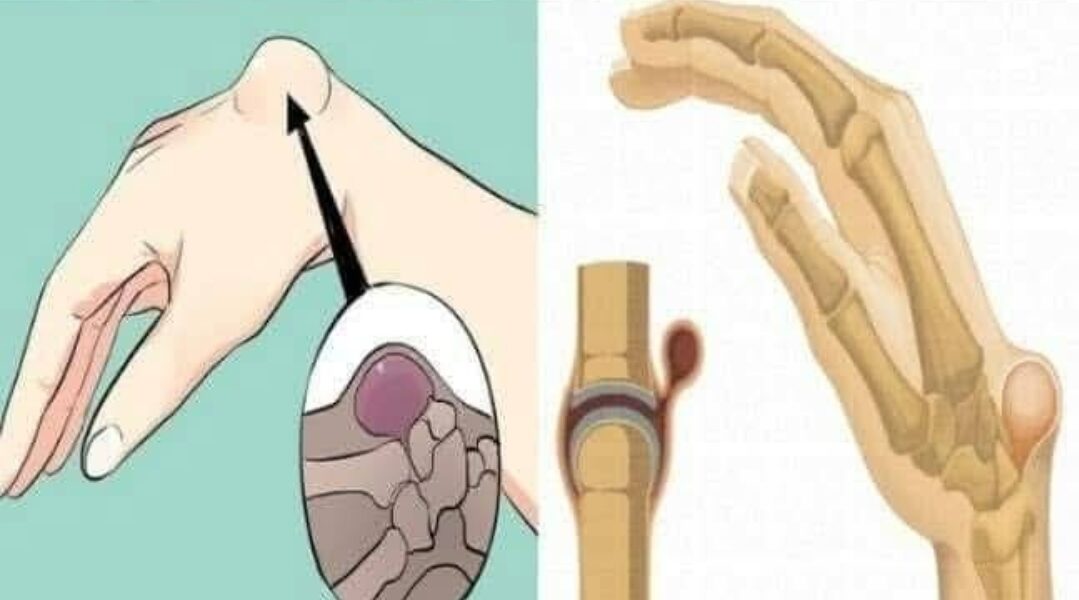
A lump on your hand can be caused by several everyday activities or conditions. Here are a few common reasons:
Ganglion Cyst: These are fluid-filled sacs that often develop on the wrist or hand, typically due to repetitive motions or joint irritation. They can appear suddenly and may fluctuate in size.
Tendonitis: Overuse of the hand or wrist, especially from repetitive tasks like typing or using tools, can lead to inflammation of the tendons, causing swelling and lumps.
Calluses: If you frequently use your hands for manual work, you might develop calluses, which are thickened areas of skin that can feel like lumps.
Injury: A minor injury or trauma to the hand, even if it seems insignificant at the time, can lead to swelling or a lump as the body responds to heal the area.
Bursitis: Inflammation of the bursae (small fluid-filled sacs that cushion bones) in the hand can also lead to lumps.
If the lump is painful, persistent, or changing in size, it’s a good idea to consult a healthcare professional for an accurate diagnosis and appropriate treatment.
To keep your hands healthy and prevent lumps or other issues, consider the following tips:
Proper Ergonomics: Make sure your workstation is set up ergonomically. Use a chair and desk that promote good posture, and keep your wrists in a neutral position when typing or using a mouse.
Take Breaks: If you perform repetitive tasks, take regular breaks to stretch and relax your hands. This helps reduce strain on your muscles and tendons.
Strengthening Exercises: Incorporate hand and wrist strengthening exercises into your routine. Simple exercises like squeezing a stress ball or using resistance bands can help.
Stay Hydrated: Drinking enough water helps maintain your body’s overall health, including the health of your skin and joints.
Moisturize: Regularly apply lotion to your hands to keep the skin hydrated, especially if you work with your hands a lot or are exposed to harsh conditions.
Protect Your Hands: If you’re doing manual work or activities that might cause injury, wear protective gear like gloves to minimize the risk of trauma.
Listen to Your Body: If you start feeling pain or notice any lumps, don’t ignore them. Early intervention can prevent more serious issues.
By following these tips, you can help maintain the health of your hands and reduce the risk of developing lumps or other problems. If you have any specific concerns or symptoms, it’s best to consult a healthcare professional.
A white tongue can be an indication of various underlying conditions, and while it is often harmless, it can sometimes signal a more serious issue. The tongue may appear coated in white patches or have an overall white appearance due to a buildup of debris, bacteria, and dead cells. This can be caused by multiple factors, ranging from minor concerns to more significant health conditions.
Common Causes of a White Tongue
Oral Thrush (Candidiasis)
This is a fungal infection caused by an overgrowth of Candida yeast in the mouth. It often appears as creamy white patches on the tongue, inner cheeks, and throat. It is more common in people with weakened immune systems, those taking antibiotics, diabetics, and denture wearers.
Dehydration or Dry Mouth
When the body lacks sufficient hydration, saliva production decreases, leading to a dry mouth. This dryness can cause a buildup of bacteria and dead cells on the tongue, resulting in a white coating.
Poor Oral Hygiene
Not brushing the tongue regularly can lead to the accumulation of food particles, bacteria, and dead cells, which can create a white film over the tongue’s surface.
Leukoplakia
This condition leads to thick, white patches on the tongue and inside the mouth. It is often caused by chronic irritation, such as smoking, alcohol use, or rough teeth. While usually harmless, leukoplakia can sometimes be a precancerous condition, so a doctor should evaluate it if it persists.
Geographic Tongue
This is a benign condition in which patches of the tongue lose their normal coating, creating smooth, red areas surrounded by white borders. The patterns may change over time, and while it is harmless, it can sometimes cause mild discomfort.
Lichen Planus
A chronic inflammatory condition that can affect the inside of the mouth, causing white, lacy patches on the tongue and inner cheeks. The exact cause is unknown, but it is believed to be related to an immune system disorder.
Syphilis
In its secondary stage, syphilis (a sexually transmitted infection) can cause white patches on the tongue and mouth. This condition requires immediate medical treatment with antibiotics.
When to See a Doctor
While a white tongue is often harmless and can resolve with proper hydration and oral hygiene, you should see a doctor or dentist if:
Groceries
The white coating lasts more than two weeks.
You experience pain, burning, or difficulty swallowing.
You notice red patches, sores, or bleeding.
You have a weakened immune system or an underlying health condition.
Treatment and Prevention
Maintain Good Oral Hygiene – Brush your tongue daily and use an antibacterial mouthwash.
Stay Hydrated – Drink plenty of water to prevent dry mouth.
Avoid Tobacco and Alcohol – These can irritate the tongue and contribute to white patches.
Eat a Balanced Diet – Nutrient deficiencies can impact oral health.
Visit Your Dentist Regularly – Routine check-ups can help identify and treat oral health issues early.
If your tongue remains white despite good hygiene, it may be a sign of an underlying condition that requires medical attention.
Twix Cookies are inspired by the classic candy bar and feature three delicious layers: a buttery shortbread-style base, a smooth caramel layer, and a rich topping. These cookies are baked until lightly golden, then finished with caramel and melted chocolate for a soft, indulgent treat. They are perfect for dessert tables, holidays, or homemade gifts.
Ingredients
For the Cookie Base
1 cup (225 g) unsalted butter, softened
½ cup granulated sugar
½ cup powdered sugar
1 large egg
1 teaspoon vanilla extract
2½ cups all-purpose flour
½ teaspoon salt
For the Caramel Layer
20 soft caramel candies
2 tablespoons heavy cream or milk
For the Chocolate Topping
1½ cups milk chocolate chips (or semi-sweet, if preferred)
Instructions
1. Prepare the Cookie Dough
In a large bowl, cream the softened butter, granulated sugar, and powdered sugar until light and fluffy. Add the egg and vanilla extract and mix until combined. Gradually add the flour and salt, mixing until a soft dough forms.
2. Shape and Bake
Preheat oven to 350°F (175°C). Line baking sheets with parchment paper. Roll the dough into small balls (about 1½ tablespoons each) and place them on the baking sheet, spacing them apart. Gently flatten each ball slightly.
Bake for 10–12 minutes, or until the edges are lightly golden. Remove from the oven and allow cookies to cool completely on a wire rack.
3. Add the Caramel Layer
In a microwave-safe bowl, combine the caramel candies and heavy cream. Heat in 20–30 second intervals, stirring between each, until smooth and melted. Spoon a small amount of caramel onto the center of each cooled cookie and spread gently.
4. Add the Chocolate Topping
Melt the chocolate chips in the microwave or over a double boiler until smooth. Spoon the melted chocolate over the caramel layer, spreading lightly to the edges.
5. Set and Serve
Allow the cookies to set at room temperature, or refrigerate briefly until the chocolate is firm. Once set, the cookies are ready to serve.
Tips for Best Results
Do not overbake the cookies to keep the base tender.
Use soft caramels for easier melting and smoother texture.
Let each layer cool slightly before adding the next for clean layers.
Storage Instructions
Store Twix Cookies in an airtight container at room temperature for up to 3 days, or refrigerate for longer freshness.
Final Notes
These Twix Cookies closely match the photo, with a thick cookie base, visible caramel layer, and smooth chocolate topping. They offer a balanced texture and rich flavor, making them a favorite for special occasions or everyday treats.
This Caramel-Infused White Chocolate Fudge is a rich, creamy dessert that combines smooth white chocolate with swirls of buttery caramel and crunchy pecans. The result is a melt-in-your-mouth fudge with balanced sweetness and an elegant appearance, making it perfect for holidays, gifting, or special occasions. This no-bake recipe is simple, reliable, and ideal for home cooks of all skill levels.
Ingredients
12 oz (340 g) white chocolate chips or chopped white chocolate
1 (14 oz / 395 g) can sweetened condensed milk
2 tablespoons unsalted butter
1 teaspoon vanilla extract
½ cup caramel sauce (thick, not runny)
½ cup chopped pecans (optional)
Pinch of salt (optional, for balance)
Instructions
Prepare the Pan
Line an 8×8-inch (20×20 cm) baking pan with parchment paper, leaving some overhang for easy removal. Set aside.
Melt the Base
In a medium saucepan over low heat, combine the white chocolate, sweetened condensed milk, and butter. Stir constantly until fully melted and smooth.
Remove from heat and stir in the vanilla extract and a pinch of salt if using.
Add Caramel and Nuts
Gently fold in the caramel sauce, swirling slightly to create a marbled effect. Do not overmix.
If using, fold in the chopped pecans evenly.
Set the Fudge
Pour the mixture into the prepared pan and smooth the top. Add a few extra caramel swirls or pecans on top if desired.
Refrigerate for at least 2–3 hours, or until completely set.
Slice and Serve
Once firm, lift the fudge out of the pan using the parchment paper. Cut into small squares with a sharp knife.
Serving Suggestions
Serve chilled or at cool room temperature
Ideal for dessert trays, holidays, or edible gifts
Pairs well with coffee or tea
Storage Tips
Store in an airtight container in the refrigerator
Keeps well for up to 7 days
Allow to sit at room temperature for a few minutes before serving
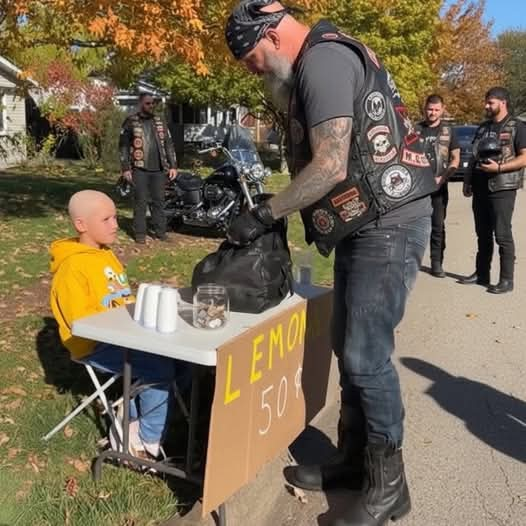
Dying boy’s lemonade stand was empty until bikers saw what his sign really said underneath “50 cents.”
Seven-year-old Tyler sat behind his little folding table for three hours without a single customer, his bald head covered by a yellow baseball cap, his thin hands shaking as he rearranged his cups over and over.
The neighborhood had been avoiding him for weeks, ever since word got out that his cancer was terminal.
I watched from my porch as cars slowed down, saw him, and sped up again. Parents walking their kids crossed the street to avoid passing his stand.
One mother actually covered her child’s eyes as they hurried past, like cancer was contagious. Like looking at a dying child would somehow curse them.
Tyler didn’t cry. He just sat there in his bright yellow shirt that hung off his skeletal frame, waiting. His mason jar stayed empty. His smile never faltered, even though I could see his bottom lip trembling.
Then the rumble started. Low and deep, like thunder rolling in from the distance. Tyler’s head snapped up. His eyes went wide. Four bikers on Harleys were coming down our quiet suburban street, leather vests gleaming in the afternoon sun.
The neighbors started pulling their kids inside. Mrs. Henderson actually ran to her front door, slamming it shut like we were under attack. But Tyler stood up. For the first time in three hours, he stood up.
The lead biker, a massive man with a gray beard down to his chest, pulled up to the curb right in front of Tyler’s stand.
He took off his helmet, and that’s when he saw it. The small handwritten note Tyler had taped under his price sign. The real reason he was sitting out here.
The biker’s whole face changed. He turned to his brothers, said something I couldn’t hear, and all four of them killed their engines.
“Hey there, little man,” the lead biker said, walking up to Tyler’s stand. “How much for a cup?”
Tyler’s voice was barely a whisper. “Fifty cents, sir. But…” He pointed to the note under his sign.
The biker knelt down to read it. I saw his shoulders start to shake. This terrifying-looking man who probably weighed 300 pounds was crying as he read whatever Tyler had written on that piece of paper.
The note said: “I’m not really selling lemonade. I’m selling memories. My mom needs money for my funeral but she doesn’t know I know. Please help me help her before I die. – Tyler, age 7”
The biker stood up slowly, pulled out his wallet, and put a hundred-dollar bill in Tyler’s jar. “I’ll take twenty cups, little brother. But I only want one. Give the others to my brothers here.”
Tyler’s eyes filled with tears. “You don’t have to—”
“Yes, I do.” The biker’s voice was rough with emotion. “What’s your name, warrior?”
“Tyler. Tyler Morrison.”
“Well, Tyler Morrison, my name is Bear. These are my brothers—Diesel, Tank, and Preacher. We’re from the Leathernecks Motorcycle Club. All veterans. And we recognize a fellow warrior when we see one.”
Tyler’s little face lit up. “You were soldiers?”
“Marines,” Bear corrected gently. “And you’re fighting a battle harder than anything we ever faced. Takes real courage to do what you’re doing.”
That’s when Tyler’s mother, Janet, came running out of the house. “Tyler! What are you—” She stopped when she saw the bikers. Fear flashed across her face.
“Ma’am,” Bear said, taking off his sunglasses. “Your son is quite something. He’s out here trying to take care of you even while he’s…” He couldn’t finish. “Even while he’s sick.”
Janet’s face crumbled. “Tyler, baby, you don’t need to worry about money. That’s not your job.”
“But Mom,” Tyler said quietly, “I heard you crying on the phone. You told Grandma you didn’t have enough for… for after. I wanted to help.”
I watched Janet collapse into one of our neighbor’s lawn chairs, sobbing. Bear knelt beside her. “Ma’am, how long does he have?”
“Six weeks,” she whispered. “Maybe less. The tumors are in his brain now. The doctors said there’s nothing else they can do.”
Bear stood up and pulled out his phone. “Diesel, call the brothers. All of them. Tell them we have a situation. A little warrior needs our help.”
Within an hour, there were forty-seven bikers on our street. Each one walked up to Tyler’s stand, read his note, and put money in his jar. Some put twenties. Some put hundreds. One biker, an older man with Vietnam patches, put in five hundred dollars and couldn’t speak through his tears.
Tyler tried to pour lemonade for everyone, but his hands were shaking too badly. Bear gently took the pitcher. “Let me help you, little brother. You direct, I’ll pour.”
“Why are you all being so nice to me?” Tyler asked.
Tank, a biker with arms covered in military tattoos, knelt down. “Because you remind us why we fought, little man. We fought for kids like you. Kids who shouldn’t have to face battles this big. Kids who deserve better than what life gave them.”
Preacher, who had a cross patch on his vest, spoke up. “And because taking care of each other is what we do. You’re taking care of your mom. We’re taking care of you. That’s how it works.”
The bikers stayed for three hours. They drank lemonade. They told Tyler stories about their motorcycles. They let him sit on their bikes, took pictures with him, gave him patches from their vests.
But more importantly, they made a plan.
Bear pulled Janet aside. “Ma’am, we’re going to help. Our club has a fund for situations like this. We’ve already raised money for Tyler’s medical bills, but we didn’t know about… the other expenses.”
“I can’t accept—”
“Yes, you can. And you will. Tyler’s trying to be a man, trying to take care of you. Let us help him do that. Let him see that his effort mattered. That he made a difference.”
Over the next five weeks, the Leathernecks MC turned Tyler’s lemonade stand into an event. Every Saturday, they’d show up. They’d bring friends. Other clubs. Veterans groups. Tyler’s mason jar was replaced with a giant pickle jar, then a five-gallon bucket.
The local news picked up the story: “Dying Boy’s Lemonade Stand Raises Thousands With Help From Biker Community.”
Tyler got weaker. By week four, he couldn’t stand. Bear built him a special chair with cushions and a umbrella. By week five, Tyler could barely stay awake. The bikers would sit with him, holding the umbrella, pouring lemonade for customers while Tyler dozed.
The last Saturday Tyler was able to come outside, over two hundred bikers showed up. They lined the entire street. Each one walked past his stand, even though Tyler was too weak to pour anymore. They’d put money in his bucket and whisper “Thank you, warrior” or “You’re braver than all of us” or “Rest easy, little brother.”
Tyler raised $47,832 from his lemonade stand. Enough to pay for his funeral, his mother’s mortgage for a year, and to set up a small fund for other kids with cancer.
But the story doesn’t end there.
Tyler died on a Tuesday morning at 4
AM. Janet called Bear to let him know. Within two hours, bikers started arriving at their house. They formed an honor guard. They stood in the rain for six hours, waiting to escort Tyler to the funeral home.
At the funeral, 347 bikers showed up. They came from six different states. Some had never met Tyler, just heard his story. They filled the cemetery. They revved their engines in a final salute as Tyler’s small casket was lowered into the ground.
Bear gave the eulogy. This massive, tattooed Marine stood at the podium crying as he spoke: “Tyler Morrison was seven years old. He sold lemonade not because he wanted money for toys or candy, but because he wanted to take care of his mother. He wanted to make sure she’d be okay after he was gone.”
“In five weeks, this little boy showed more courage, more love, more selflessness than most people show in a lifetime. He reminded us that being tough isn’t about how you look or how loud your bike is. It’s about standing up when you can barely stand. It’s about fighting when the fight is already lost. It’s about loving people more than you fear death.”
“Tyler called us his friends. He wore our patches on his hospital gown. He told the nurses we were his bodyguards. But the truth is, he was guarding us. Guarding our hearts. Reminding us what really matters.”
After the funeral, the Leathernecks MC established the Tyler Morrison Memorial Fund. Every year, they hold a lemonade stand rally. Hundreds of bikers set up stands across the state, selling lemonade to raise money for childhood cancer research and to help families with funeral expenses.
They’ve raised over $300,000 so far.
Janet still lives in the same house. The bikers still check on her. Every year on Tyler’s birthday, they gather on her street. They bring lemonade. They share stories. They remember a seven-year-old boy who wanted to help his mom and ended up changing hundreds of lives.
Bear still carries Tyler’s picture in his wallet. Next to his own grandchildren. “People ask me why I keep a stranger’s kid’s photo,” he told me. “I tell them Tyler wasn’t a stranger. He was my little brother. He was all of our little brother.”
The lemonade stand is still in Janet’s garage. She can’t bring herself to throw it away. The sign still hangs on it, Tyler’s handwriting fading but still visible: “50 cents” and underneath, in smaller letters, his truth.
Sometimes the neighborhood kids ask about it. Janet tells them about Tyler. About his lemonade stand. About the bikers who showed up when everyone else looked away. About how a dying seven-year-old boy raised enough money to take care of his mom and help other kids like him.
And sometimes, on quiet Saturday afternoons, bikers still stop by. They knock on Janet’s door and ask if they can buy a cup of lemonade. Janet always says the stand is closed.
But then she brings them inside, makes them fresh lemonade, and they sit together looking at pictures of Tyler. They cry. They laugh. They remember.
Because that’s what Tyler was really selling at his stand. Not lemonade. Memories. And love. And the proof that even when you’re dying, even when you’re seven years old and scared and weak, you can still make a difference.
You can still bring together a community. You can still inspire hundreds of tough bikers to cry. You can still take care of your mom.
You can still be a warrior.
Tyler Morrison was seven years old when he died. But in his last five weeks, he lived more than most people do in decades. He sold lemonade to bikers. He raised thousands of dollars. He made grown men cry.
And he proved that heroes come in all sizes. Even small, bald, dying seven-year-olds sitting behind lemonade stands.
1. Add strawberries, sugar, vanilla ice cream, and milk into a blender. 2. Blend until smooth and creamy. 3. Pour into a glass. 4. Top with whipped cream and garnish with fresh strawberries. 5. Serve chilled. ⸻
Chocolate Fudge Cake Ingredients:
• 2 eggs
• 1 cup sugar
• 1/2 cup oil
• 1 cup milk
• 2 tablespoons cocoa powder
• 1 1/2 cups all-purpose flour
• 1 packet (or 1 tablespoon) baking powder For the Chocolate Ganache:
• 200g dark chocolate
• 200ml heavy cream Instructions: 1. Beat the eggs and sugar until smooth. 2. Add oil, milk, and cocoa powder. Mix well. 3. Add flour and baking powder. Stir until combined. 4. Bake at 180°C (350°F) for 30–35 minutes. 5. Heat the heavy cream and pour over chopped chocolate. Stir until smooth. 6. Spread the ganache over the cooled cake and top with chocolate curls if desired. ⸻
Chocolate Cake with Vanilla Sauce Ingredients:
• 200g dark chocolate
• 150g butter
• 3 eggs
• 1 cup sugar
• 1 cup flour Vanilla Sauce:
• 1 cup milk
• 1 tablespoon flour
• 1 tablespoon butter
• Vanilla extract Instructions:
1. Melt the chocolate and butter together. 2. Beat eggs with sugar, then mix in the melted chocolate. 3. Add flour and mix gently. 4. Bake at 180°C (350°F) for 25–30 minutes. 5. For the sauce, cook milk, flour, butter, and vanilla on low heat until thickened. 6. Pour the warm sauce over the cake before serving



 Serving Suggestions