• Perfect Prime Rib Recipe

    Perfect Prime Rib Recipe

    Prime rib is a cut of beef that comes from the rib section of the cow. It’s known for its tenderness and rich flavor, making it a popular choice for special occasions and holiday dinners. The term “prime” refers to the USDA grading, indicating that the meat is of high quality, with good marbling, which contributes to its juiciness and flavor. Prime rib is typically roasted and can be served with a variety of sides, often accompanied by horseradish sauce or au jus for dipping. It’s a delicious and hearty dish!

    Here’s a simple recipe for a classic prime rib:

    Ingredients:

    • 1 (5-7 pound) prime rib roast
    • 2 tablespoons olive oil
    • 4 cloves garlic, minced
    • 2 tablespoons fresh rosemary, chopped (or 1 tablespoon dried)
    • 2 tablespoons fresh thyme, chopped (or 1 tablespoon dried)
    • Salt and pepper to taste
    • Optional: beef broth for au jus

    Instructions:

    1. Preheat the Oven: Preheat your oven to 450°F (232°C).
    2. Prepare the Roast:
    • Take the prime rib out of the refrigerator and let it come to room temperature for about an hour.
    • Pat it dry with paper towels.
    1. Seasoning:
    • In a small bowl, mix together the olive oil, minced garlic, rosemary, thyme, salt, and pepper.
    • Rub this mixture all over the prime rib, making sure to cover it evenly.
    1. Roasting:
    • Place the roast bone-side down in a roasting pan.
    • Roast in the preheated oven for 20 minutes to create a nice crust.
    • After 20 minutes, reduce the oven temperature to 325°F (163°C) and continue roasting.
    • Cook until the internal temperature reaches your desired doneness (about 120°F for rare, 130°F for medium-rare, 140°F for medium).
    1. Resting:
    • Once done, remove the roast from the oven and cover it loosely with aluminum foil. Let it rest for at least 20-30 minutes before slicing. This helps the juices redistribute.
    1. Serving:
    • Slice the prime rib and serve with au jus (made from beef broth) and your favorite sides.

    Absolutely! You can definitely use different herbs for seasoning your prime rib. Some great alternatives include:

    • Oregano: Adds a slightly sweet and peppery flavor.
    • Sage: Provides an earthy taste that pairs well with beef.
    • Parsley: Adds a fresh and mild flavor.
    • Marjoram: Offers a sweet and citrusy note.

    Feel free to mix and match according to your taste preferences! Just make sure to balance the flavors so they complement the richness of the meat. Enjoy experimenting!

    Enjoy your delicious prime rib!

  • He Was Skiing for Fun—Until a Charging Bear Turned It Into a Real-Life Nightmare

    He Was Skiing for Fun—Until a Charging Bear Turned It Into a Real-Life Nightmare

    What began as an ordinary, thrill-seeking ski run turned into a heart-pounding ordeal when a charging black bear suddenly appeared on the slope. This dramatic encounter, captured on video, transformed a leisurely descent into a dangerous and unforgettable brush with the wild.

    The Incident Unfolds

    On April 6 at Colorado’s Keystone Ski Resort, skier Brian O’Neal narrowly avoided disaster when a black bear sprinted across his path on the “Last Chance” beginner trail. Eyewitness footage captured him veering off, scrambling to avoid a full-on collision with the animal. Fortunately, no injuries were reported, but the sheer proximity of the bear was enough to turn fun into fear in mere seconds .

    Resort employee Nathan Lynch recounted how he and friends learned of the bear sighting atop the Schoolmarm trail. They rushed down to capture the terrifying moment on camera—an image etched into the minds of those who witnessed it .

    The Human Instinct to Survive

    In a separate incident far from Keystone—but just as chilling—a snowboarder at Romania’s Predeal Ski Resort found himself chased by a bear. Filmed from a chairlift, frantic skiers watched as the bear gave chase. In a split-second move, the pursued snowboarder tossed his backpack onto the slope, distracting the bear long enough for him to escape. Such quick thinking turned a frightening moment into a tale of survival .

    Nature’s Power: When Winter Wilderness Meets Wildlife

    Black bears, though typically dormant during heavy winter months, can emerge unexpectedly—often in search of food or out of sheer curiosity. While bear-human encounters on ski slopes are rare, when they do happen, the consequences can be serious .

    Such incidents highlight our vulnerability in nature’s domain and underscore how swiftly a leisurely activity can devolve into a primal struggle for safety.

    What You Can Do If Confronted by a Bear While Skiing

    Stay calm and alert: Panic can impair decision-making when every second counts.

    Move away swiftly and decisively: Gain distance—bears can be surprisingly fast on flat ground.

    Create a distraction: If you can, use your gear to divert the bear’s attention, like the backpack trick in Romania.

    Avoid approaching or startling wildlife, especially in areas where animal activity is known or recent sightings have occurred.

    Why This Matters

    These near-miss encounters serve as a stark reminder: even the most serene winter playgrounds can turn perilous in the blink of an eye. Sharing such stories underscores the importance of wildlife awareness and preparedness, especially in areas where human activity intersects with natural habitats.

    Final Thoughts

    From Keystone’s beginner slope to the rugged terrain of Romania, these episodes demonstrate one truth: nature is unpredictable. A ski outing turned survival run—and wildlife can be both spectacular and startling. Whether you’re a seasoned skier or just out for fun, remember: respect the environment, stay aware—and never underestimate how quickly adrenaline can change the script.

  • Our thoughts and prayers go out to Donald Trump and his family for their tragic loss

    Our thoughts and prayers go out to Donald Trump and his family for their tragic loss

    The renowned political analyst Lou Dobbs has passed away at the age of 78, leaving behind a legacy as a polarizing figure in American media. Best known for his tenure at CNN and Fox News, Dobbs made his mark with sharp commentary and often contentious viewpoints, particularly regarding his outspoken remarks about former President Barack Obama, which sparked considerable debate throughout his career.

    In a heartfelt tribute on Truth Social, former President Donald Trump expressed his deep admiration for Dobbs. “Lou was an incredible talent,” Trump wrote, describing him as a “friend and truly amazing reporter, journalist, and artist.” He continued, “Lou was unique, and he loved our nation.” The former president’s words reflect the significant impact Dobbs had on political reporting and his lasting influence in the media landscape.

    Dobbs’ career spanned decades, with his journey into television beginning in the mid-1970s. His early years were spent in radio, where he worked at KBLU in Arizona. However, it was his move to NBC’s King-TV in Seattle that marked the beginning of his transition to television. Dobbs quickly made a name for himself as a tenacious and insightful reporter. In 1980, he became one of the first reporters at CNN, where he would go on to host Moneyline, a business news program that gained widespread popularity. His success at CNN established him as a household name in the world of political analysis and business reporting.

    However, Dobbs’ career was not without its controversies. His outspoken views, particularly on issues like illegal immigration, led to his departure from CNN in 2009. Despite the controversies, Dobbs remained a prominent figure in media, shifting to Fox Business, where he began hosting Lou Dobbs Tonight in 2010. His program became a staple on the network, often reflecting his strong conservative stance on various political and economic issues. Dobbs continued hosting the show until its cancellation in 2021, marking the end of an era for the program that had made him a central figure in cable news for over a decade.

    Throughout his career, Dobbs maintained a distinctive voice, never afraid to challenge the political establishment or address issues head-on, even when those opinions sparked backlash. His unwavering commitment to his beliefs made him both admired and criticized, but undeniably left a lasting imprint on political discourse.

    As the news of his passing reverberates through the media world, tributes continue to pour in, celebrating his legacy as one of the most influential figures in modern television news. His contributions to the field, though often controversial, have shaped the landscape of American political reporting, and his absence will be felt by many in the world of journalism.

    Lou Dobbs leaves behind a career that was as much about sparking conversation as it was about reporting the news, forever remembered as a giant in the realm of political analysis.

  • The moment I saw this dessert, I knew it was going to be something special. And guess what? It totally exceeded my expectations!

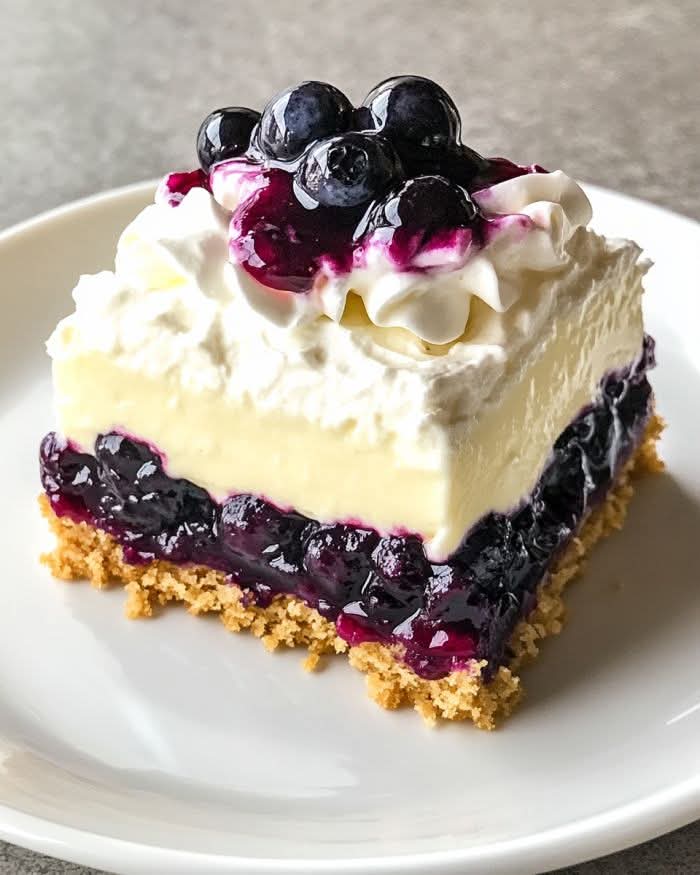
    The moment I saw this dessert, I knew it was going to be something special. And guess what? It totally exceeded my expectations!

    This refreshing dessert combines the tangy sweetness of lemon with the burst of flavor from fresh blueberries. It’s a perfect summer treat!

    Ingredients:

    IngredientQuantity
    Graham Cracker Crumbs1 1/2 cups
    Sugar1/4 cup
    Unsalted Butter, melted1/2 cup
    Fresh Blueberries1 cup
    Sugar1/4 cup
    Cornstarch1 tablespoon
    Water1/4 cup
    Sweetened Condensed Milk1 cup
    Lemon Juice1/2 cup
    Lemon Zest1 tablespoon
    Egg Yolks3
    Heavy Whipping Cream1 cup
    Powdered Sugar2 tablespoons
    Vanilla Extract1 teaspoon

    Instructions:

    1. Prepare the Crust:
      • Preheat oven to 350°F (175°C).
      • In a medium bowl, combine graham cracker crumbs, 1/4 cup sugar, and melted butter. Mix well.
      • Press the mixture into the bottom of a 9-inch pie pan to form the crust.
      • Bake for 10 minutes. Let cool completely.
    2. Prepare the Blueberry Filling:
      • In a small saucepan, combine blueberries, 1/4 cup sugar, cornstarch, and water.
      • Cook over medium heat, stirring constantly, until the mixture thickens and the blueberries burst, about 5 minutes.
      • Let cool slightly.
    1. Prepare the Lemon Filling:
      • In a bowl, whisk together sweetened condensed milk, lemon juice, lemon zest, and egg yolks until smooth.
    2. Assemble and Bake:
      • Spread the cooled blueberry mixture evenly over the cooled crust.
      • Pour the lemon mixture over the blueberry layer.
      • Bake for 15 minutes, or until the lemon layer is set.
      • Let cool completely to room temperature.
      • Refrigerate for at least 2 hours.
    3. Make the Whipped Cream Topping:
      • In a large bowl, whip heavy cream, powdered sugar, and vanilla extract until soft peaks form.
    4. Serve:
      • Spread the whipped cream over the chilled lemon layer.
      • Serve immediately and enjoy!

    Tips:

    • For a more intense lemon flavor, increase the amount of lemon zest.
    • You can use frozen blueberries, but thaw them completely before using.
    • If you don’t have a pie pan, you can use a springform pan or a round baking dish.

    I hope you enjoy this delicious Lemon Blueberry Delight!

  • The Secret Behind the Colored Stripe on Your Toothpaste Tube

    The Secret Behind the Colored Stripe on Your Toothpaste Tube

    Toothpaste is a staple in oral care routines, offering protection against dental issues like plaque, cavities, and bad breath. But amidst the multitude of options, have you ever pondered over the meaning behind the colored stripe on your toothpaste tube?

    Decoding the Colored Stripes

    Red Stripe

    Encountering a red stripe on your toothpaste tube suggests a blend of natural and synthetic compounds. While effective, these toothpastes may not align with those seeking to minimize exposure to synthetic chemicals.

    Green Stripe

    A green stripe denotes an all-natural toothpaste, boasting formulations free from synthetic chemicals and medications. Ideal for those inclined towards organic oral care solutions.

    Blue Stripe

    Toothpastes with a blue stripe often combine natural ingredients with additional medications like whitening agents or pain relievers, catering to specific dental needs.

    Black Stripe

    A black stripe signifies a toothpaste composed entirely of synthetic chemicals. Not preferred by those prioritizing natural or organic ingredients in their dental products.

    Understanding the Significance

    The color-coded system offers valuable insights into toothpaste composition, empowering consumers to make informed choices based on their preferences and oral health needs.

    Tips for Choosing the Right Toothpaste

    Selecting the appropriate toothpaste involves considering factors such as ingredients, effectiveness, and personal preferences. Whether opting for natural, medicated, or traditional formulations, prioritizing oral health is paramount.

    The colored stripe on your toothpaste tube serves as more than just a design element—it’s a key indicator of the product’s composition. Understanding these distinctions enables consumers to make educated decisions about their oral care regimen.

  • Honey, lemon juice, onion, garlic, and grated ginger

    Honey, lemon juice, onion, garlic, and grated ginger

    The honey, lemon juice, onion, garlic, and grated ginger combination can have some great effects! Honey is soothing and sweet, lemon juice adds a tangy kick, onion and garlic bring savory flavors, and grated ginger adds a bit of heat and freshness. Together, they create a flavorful and dynamic mix that can enhance the taste of your dishes. Plus, the combination of these ingredients can also provide some health benefits like boosting immunity and aiding digestion. It’s a tasty and beneficial mix all in one!

    You can use honey, lemon juice, onion, garlic, and grated ginger to create a delicious marinade or dressing. Here’s a simple recipe:

    1. Ingredients:
    • 2 tablespoons honey
    • 2 tablespoons lemon juice
    • 1 small onion, finely chopped
    • 2 cloves garlic, minced
    • 1 tablespoon grated ginger
    • Salt and pepper to taste
    1. Instructions:
    • In a bowl, combine the honey and lemon juice. Mix well until the honey is fully dissolved.
    • Add the finely chopped onion, minced garlic, and grated ginger to the mixture.
    • Stir everything together until well combined. Season with salt and pepper to taste.
    • You can use this mixture as a marinade for chicken, fish, or vegetables, or as a dressing for salads.

    This combination provides a sweet and tangy flavor with a nice kick from the garlic and ginger. Enjoy!

  • Two Spoons In The Morning And Forget About Bone Pain, Diabetes, Nerves And Depression

    Two Spoons In The Morning And Forget About Bone Pain, Diabetes, Nerves And Depression

    Why This Remedy is Gaining Popularity

    The concept of using natural ingredients to enhance overall health is age-old. Many individuals are now leaning towards holistic methods to complement traditional treatments. Here’s why this remedy is gaining traction:

    • Natural and Accessible: The ingredients are often pantry staples, making them affordable and easy to incorporate into daily routines.
    • Multi-Functional Benefits: A single ingredient can target multiple health concerns, from inflammation to mood regulation.
    • Minimal Side Effects: Unlike some medications, natural remedies tend to have fewer adverse effects when used responsibly.
    • Supports Long-Term Wellness: Instead of masking symptoms, these remedies aim to address underlying causes over time.

    What Are the Key Ingredients?

    The “two spoons” typically refer to one or more of the following natural powerhouses, each known for its unique health benefits:

    1. Apple Cider Vinegar (ACV) 
      • Benefits: Rich in acetic acid, ACV supports blood sugar regulation, reduces inflammation, and aids digestion. It may also help with weight management and improve energy levels.
      • How to Use: Mix two teaspoons of raw, unfiltered ACV in a glass of warm water. Add honey for taste if desired.
    2. Flaxseed Oil or Ground Flaxseeds 
      • Benefits: Packed with omega-3 fatty acids, flaxseeds reduce inflammation, support bone health, and promote brain function. They’re also great for heart health and stabilizing blood sugar.
      • How to Use: Take two tablespoons of flaxseed oil or sprinkle ground flaxseeds on yogurt, smoothies, or oatmeal.
    3. Turmeric Paste (Golden Milk Base) 
      • Benefits: Curcumin, the active compound in turmeric, is a potent anti-inflammatory and antioxidant. It helps with joint pain, nerve health, and mood stabilization.
      • How to Use: Mix two teaspoons of turmeric paste (made with turmeric powder, black pepper, and coconut oil) into warm milk or water.
    4. Honey and Cinnamon 
      • Benefits: Honey is a natural antibacterial and energy booster, while cinnamon helps regulate blood sugar and supports nerve health.
      • How to Use: Combine two teaspoons of honey with a dash of cinnamon in warm water or tea.
    5. Chia Seeds 
      • Benefits: High in fiber, omega-3s, and calcium, chia seeds support bone health, digestion, and mental well-being.
      • How to Use: Soak two tablespoons of chia seeds in water or milk overnight and enjoy as pudding in the morning.

    How Does This Remedy Work?

    The effectiveness of this remedy lies in the combination of nutrients and bioactive compounds found in these ingredients. Here’s how they address specific health concerns:

    • Bone Pain: Ingredients like chia seeds, flaxseeds, and turmeric provide essential minerals (calcium, magnesium) and anti-inflammatory compounds that strengthen bones and reduce joint discomfort.
    • Diabetes: Apple cider vinegar and cinnamon help stabilize blood sugar levels by improving insulin sensitivity and slowing glucose absorption.
    • Nerve Issues: Omega-3 fatty acids (from flaxseeds) and antioxidants (from turmeric) support nerve regeneration and reduce oxidative stress.
    • Depression: Nutrient-dense foods like honey, turmeric, and flaxseeds promote serotonin production and reduce inflammation linked to mood disorders.

    Step-by-Step Guide to Incorporating This Remedy

    1. Choose Your Ingredient: Select one or a combination of the ingredients listed above based on your specific health needs.
    2. Prepare Your Morning Dose: Prepare the ingredient(s) as described earlier. For example:
      • Mix ACV with water and honey.
      • Blend chia seeds into a smoothie or make chia pudding.
      • Stir turmeric paste into warm milk for golden milk.
    3. Be Consistent: Take your chosen remedy every morning on an empty stomach for best results. Consistency is key to experiencing long-term benefits.
    4. Monitor Your Progress: Keep track of any improvements in symptoms like reduced pain, better mood, or stabilized energy levels. Adjust the dosage or ingredient as needed.

    Why This Remedy Works So Well

    The magic of this approach lies in its simplicity and the synergy of nutrients. Each ingredient targets multiple systems in the body, creating a holistic effect:

    • Anti-Inflammatory Properties: Reduce pain and swelling in joints and nerves.
    • Blood Sugar Regulation: Stabilize energy levels and prevent spikes.
    • Mood Enhancement: Support neurotransmitter production for improved mental health.
    • Nutrient Density: Provide essential vitamins and minerals for overall wellness.

    Variations to Try

    While the classic “two spoons” method is effective, here are some creative ways to adapt it:

    • Smoothie Boost: Blend chia seeds, flaxseeds, turmeric, and spinach into a nutrient-packed smoothie.
    • Tea Infusion: Steep cinnamon sticks and ginger in hot water, then add honey for a soothing drink.
    • Overnight Oats: Mix flaxseeds, chia seeds, and turmeric into overnight oats for a delicious breakfast.
    • Salad Dressing: Use apple cider vinegar and flaxseed oil as a base for a healthy salad dressing.

    Tips for Success

    • Start Small: Begin with one ingredient and gradually introduce others to avoid overwhelming your system.
    • Quality Matters: Opt for organic, unprocessed versions of these ingredients for maximum benefits.
    • Consult a Doctor: If you’re managing chronic conditions or taking medications, consult your healthcare provider before starting any new regimen.
    • Stay Hydrated: Drink plenty of water throughout the day to support digestion and nutrient absorption.
    • Pair with a Balanced Diet: Use this remedy as a supplement, not a replacement, for a healthy diet and lifestyle.

    Serving Suggestions

    This remedy can be incorporated into your daily routine in various ways. Here are some ideas:

    • Morning Ritual: Enjoy your chosen remedy as part of a calming morning routine alongside meditation or journaling.
    • Post-Workout Recovery: Use turmeric paste or flaxseed oil to reduce muscle soreness after exercise.
    • Evening Wind-Down: Sip golden milk or cinnamon tea before bed to promote relaxation and better sleep.
    • On-the-Go Snack: Carry pre-measured portions of chia seeds or flaxseeds for a quick boost during busy days.

  • Stop Boiling Eggs This Way: Common Mistakes and How to Avoid Them

    Stop Boiling Eggs This Way: Common Mistakes and How to Avoid Them

    Boiling  eggs seems straightforward, yet many of us unknowingly make errors that can compromise both safety and taste. Let’s explore common mistakes in egg boiling and learn how to perfect this simple culinary task.

    Common Mistakes When Boiling Eggs

    1. Starting with Boiling WaterPlacing eggs directly into boiling water can cause the shells to crack due to the sudden temperature change. This leads to uneven cooking and potential contamination. Instead, start with cold water and gradually bring it to a boil with the eggs submerged.
    2. Overcooking the EggsBoiling eggs for too long results in a greenish-gray ring around the yolk, indicating overcooking. This affects both the texture and flavor, making the eggs rubbery and less appetizing. Aim to boil large eggs for 9–12 minutes for hard-boiled perfection.
    3. Using Fresh Eggs for BoilingWhile fresh eggs are excellent for frying or scrambling, they can be challenging to peel when boiled. Slightly older eggs have a higher pH, which helps separate the shell from the egg white more easily. If you struggle with peeling, consider using eggs that are a week or two old.
    4. Skipping the Ice BathNot transferring boiled eggs to an ice bath can lead to overcooking and make peeling difficult. An ice bath stops the cooking process immediately and firms up the egg whites, making the eggs easier to peel.
    5. Adding Eggs to a Crowded PotOvercrowding the pot can cause uneven cooking and increase the chances of shells cracking. Ensure the eggs sit in a single layer with enough space around them, and that the water covers them by at least an inch.

    Best Practices for Boiling Eggs

    • Start with Cold Water: Place eggs in a saucepan and cover them with cold water before heating. This gradual increase in temperature helps prevent cracking.
    • Monitor Cooking Time: For large eggs, boil for 9–12 minutes depending on desired firmness. Use a timer to ensure accuracy.
    • Use an Ice Bath: After boiling, transfer eggs to a bowl of ice water for at least 5 minutes to halt the cooking process and facilitate easier peeling.
    • Store Properly: Refrigerate boiled eggs within two hours of cooking and consume them within a week for optimal freshness and safety.

    Conclusion

    Boiling eggs is a simple task, but avoiding these common mistakes can make a significant difference in the quality of your results. By following these best practices, you’ll achieve perfectly boiled eggs every time, enhancing both their taste and safety.

  • Why Do Your Fingers Change Color in Cold Weather? Understanding Raynaud’s Disease

    Why Do Your Fingers Change Color in Cold Weather? Understanding Raynaud’s Disease

    Have you ever noticed your fingers turning white, blue, or red when exposed to cold temperatures or stress? This color change could be a sign of Raynaud’s disease, a condition affecting blood circulation to certain parts of your body—usually your fingers and toes.

    What Is Raynaud’s Disease?

    Raynaud’s disease, also known as Raynaud’s phenomenon or syndrome, is a condition where smaller arteries that supply blood to your skin constrict excessively in response to cold or stress, limiting blood supply to affected areas (vasospasm). This leads to color changes in your skin, accompanied by numbness and pain.

    Symptoms of Raynaud’s Disease

    • Color Changes: Affected areas typically turn white first due to diminished blood flow. Then, they may turn blue as the oxygen supply depletes. As blood flow returns, the areas might turn red.
    • Cold and Numb Sensation: During an episode, fingers or toes may feel cold and numb.
    • Pins and Needles: As circulation improves, you might experience tingling or throbbing sensations.

    Causes and Triggers

    While the exact cause of Raynaud’s isn’t fully understood, certain factors can trigger episodes:

    • Cold Temperatures: Exposure to cold air, holding a cold drink, or touching cold objects can provoke an attack.
    • Stress: Emotional stress and anxiety are known triggers.
    • Other Factors: Smoking, certain medications, and repetitive actions like typing can also contribute.

    Types of Raynaud’s

    • Primary Raynaud’s: More common and not associated with other medical conditions. It tends to be less severe.
    • Secondary Raynaud’s: Less common but more serious, associated with other diseases such as scleroderma or lupus. It can lead to more severe health issues.

    Diagnosis

    If you experience symptoms of Raynaud’s, it’s important to consult a healthcare professional. Diagnosis typically involves:

    • Medical History Review: Discussing your symptoms and triggers.
    • Physical Examination: Observing color changes in your skin.
    • Nailfold Capillaroscopy: Examining the tiny blood vessels near your fingernails to distinguish between primary and secondary Raynaud’s.

    Treatment and Management

    While there’s no cure for Raynaud’s, several strategies can help manage symptoms:

    • Lifestyle Changes:
      • Keep Warm: Dress in layers, wear gloves and warm socks, and avoid sudden temperature changes.
      • Stress Management: Practice relaxation techniques such as deep breathing, meditation, or yoga.
      • Avoid Smoking: Nicotine constricts blood vessels, worsening symptoms.
    • Medications:
      • Calcium Channel Blockers: Help dilate blood vessels to improve blood flow.
      • Vasodilators: Medications that relax blood vessels.
    • Surgical Options: In severe cases, procedures like nerve surgery may be considered.

    Preventing Raynaud’s Attacks

    • Stay Warm: Keep your home warm, wear appropriate clothing, and use hand warmers if necessary.
    • Manage Stress: Incorporate stress-reduction techniques into your daily routine.
    • Exercise Regularly: Physical activity can improve circulation.

    When to Seek Medical Advice

    Consult a healthcare provider if:

    • Your symptoms are severe or worsening.
    • You develop sores or ulcers on affected areas.
    • There’s a significant impact on your quality of life.

    Conclusion

    Raynaud’s disease is a common condition that affects blood circulation, leading to color changes in your fingers and toes during cold weather or stress. While it can be uncomfortable, understanding the triggers and implementing management strategies can help you lead a normal life. If you experience persistent or severe symptoms, it’s important to seek medical advice for proper diagnosis and treatment.

  • Nobody talks about this, of old men are more

    Nobody talks about this, of old men are more

    Sylvester Gardenzio Stallone was born on July 6, 1946, in the gritty Hell’s Kitchen neighborhood of Manhattan. He is the eldest son of Jacqueline “Jackie” Stallone, a women’s professional wrestling promoter with Breton-French and Ukrainian-Jewish roots, and Francesco “Frank” Stallone Sr., an Italian immigrant from Gioia del Colle, Italy. Originally, his mother wanted to name him Tyrone after actor Tyrone Power, but his father insisted on Sylvester—a name that would later become synonymous with strength, determination, and cinematic greatness.

    Stallone’s entry into the world was marked by complications. A difficult birth caused nerve damage that resulted in partial paralysis on the left side of his face. This condition gave him the slurred speech and signature sneer that would later become iconic trademarks of his film characters. Bullied as a child for his appearance and speech impediment, young Sylvester found solace in bodybuilding and acting, channeling his hardships into passion and purpose.

    During his early years, Stallone lived in foster care and boarding homes before reuniting with his family at the age of seven. They moved to Washington, D.C., where his mother opened Barbella’s, the city’s first women-only gym, and his father trained to become a beautician. Despite a turbulent home life—his parents eventually divorced—Stallone remained focused, turning adversity into motivation.

    His big break came in 1976 with Rocky, a film he wrote and starred in. The story of an underdog boxer resonated with millions, earning Stallone Academy Award nominations for Best Actor and Best Original Screenplay. He quickly became a household name and solidified his place as an action star with legendary roles in the Rambo and The Expendables franchises.

    In 2015, Stallone returned to the Rocky universe with Creed, portraying an older, wiser Rocky Balboa mentoring the son of his former rival. The role earned him his first Golden Globe and another Oscar nomination—nearly 40 years after the original Rocky.

    Most recently, Stallone has expanded his legacy to television, starring in Paramount+’s hit crime drama Tulsa King. His powerful performance reminds fans and critics alike that his grit, talent, and presence remain as magnetic as ever.