Twix Cookies are inspired by the classic candy bar and feature three delicious layers: a buttery shortbread-style base, a smooth caramel layer, and a rich topping. These cookies are baked until lightly golden, then finished with caramel and melted chocolate for a soft, indulgent treat. They are perfect for dessert tables, holidays, or homemade gifts.
Ingredients
For the Cookie Base
1 cup (225 g) unsalted butter, softened
½ cup granulated sugar
½ cup powdered sugar
1 large egg
1 teaspoon vanilla extract
2½ cups all-purpose flour
½ teaspoon salt
For the Caramel Layer
20 soft caramel candies
2 tablespoons heavy cream or milk
For the Chocolate Topping
1½ cups milk chocolate chips (or semi-sweet, if preferred)
Instructions
1. Prepare the Cookie Dough
In a large bowl, cream the softened butter, granulated sugar, and powdered sugar until light and fluffy. Add the egg and vanilla extract and mix until combined. Gradually add the flour and salt, mixing until a soft dough forms.
2. Shape and Bake
Preheat oven to 350°F (175°C). Line baking sheets with parchment paper. Roll the dough into small balls (about 1½ tablespoons each) and place them on the baking sheet, spacing them apart. Gently flatten each ball slightly.
Bake for 10–12 minutes, or until the edges are lightly golden. Remove from the oven and allow cookies to cool completely on a wire rack.
3. Add the Caramel Layer
In a microwave-safe bowl, combine the caramel candies and heavy cream. Heat in 20–30 second intervals, stirring between each, until smooth and melted. Spoon a small amount of caramel onto the center of each cooled cookie and spread gently.
4. Add the Chocolate Topping
Melt the chocolate chips in the microwave or over a double boiler until smooth. Spoon the melted chocolate over the caramel layer, spreading lightly to the edges.
5. Set and Serve
Allow the cookies to set at room temperature, or refrigerate briefly until the chocolate is firm. Once set, the cookies are ready to serve.
Tips for Best Results
Do not overbake the cookies to keep the base tender.
Use soft caramels for easier melting and smoother texture.
Let each layer cool slightly before adding the next for clean layers.
Storage Instructions
Store Twix Cookies in an airtight container at room temperature for up to 3 days, or refrigerate for longer freshness.
Final Notes
These Twix Cookies closely match the photo, with a thick cookie base, visible caramel layer, and smooth chocolate topping. They offer a balanced texture and rich flavor, making them a favorite for special occasions or everyday treats.
This Caramel-Infused White Chocolate Fudge is a rich, creamy dessert that combines smooth white chocolate with swirls of buttery caramel and crunchy pecans. The result is a melt-in-your-mouth fudge with balanced sweetness and an elegant appearance, making it perfect for holidays, gifting, or special occasions. This no-bake recipe is simple, reliable, and ideal for home cooks of all skill levels.
Ingredients
12 oz (340 g) white chocolate chips or chopped white chocolate
1 (14 oz / 395 g) can sweetened condensed milk
2 tablespoons unsalted butter
1 teaspoon vanilla extract
½ cup caramel sauce (thick, not runny)
½ cup chopped pecans (optional)
Pinch of salt (optional, for balance)
Instructions
Prepare the Pan
Line an 8×8-inch (20×20 cm) baking pan with parchment paper, leaving some overhang for easy removal. Set aside.
Melt the Base
In a medium saucepan over low heat, combine the white chocolate, sweetened condensed milk, and butter. Stir constantly until fully melted and smooth.
Remove from heat and stir in the vanilla extract and a pinch of salt if using.
Add Caramel and Nuts
Gently fold in the caramel sauce, swirling slightly to create a marbled effect. Do not overmix.
If using, fold in the chopped pecans evenly.
Set the Fudge
Pour the mixture into the prepared pan and smooth the top. Add a few extra caramel swirls or pecans on top if desired.
Refrigerate for at least 2–3 hours, or until completely set.
Slice and Serve
Once firm, lift the fudge out of the pan using the parchment paper. Cut into small squares with a sharp knife.
Serving Suggestions
Serve chilled or at cool room temperature
Ideal for dessert trays, holidays, or edible gifts
Pairs well with coffee or tea
Storage Tips
Store in an airtight container in the refrigerator
Keeps well for up to 7 days
Allow to sit at room temperature for a few minutes before serving
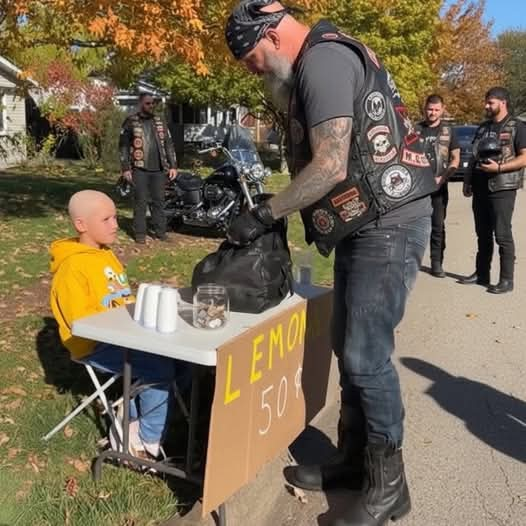
Dying boy’s lemonade stand was empty until bikers saw what his sign really said underneath “50 cents.”
Seven-year-old Tyler sat behind his little folding table for three hours without a single customer, his bald head covered by a yellow baseball cap, his thin hands shaking as he rearranged his cups over and over.
The neighborhood had been avoiding him for weeks, ever since word got out that his cancer was terminal.
I watched from my porch as cars slowed down, saw him, and sped up again. Parents walking their kids crossed the street to avoid passing his stand.
One mother actually covered her child’s eyes as they hurried past, like cancer was contagious. Like looking at a dying child would somehow curse them.
Tyler didn’t cry. He just sat there in his bright yellow shirt that hung off his skeletal frame, waiting. His mason jar stayed empty. His smile never faltered, even though I could see his bottom lip trembling.
Then the rumble started. Low and deep, like thunder rolling in from the distance. Tyler’s head snapped up. His eyes went wide. Four bikers on Harleys were coming down our quiet suburban street, leather vests gleaming in the afternoon sun.
The neighbors started pulling their kids inside. Mrs. Henderson actually ran to her front door, slamming it shut like we were under attack. But Tyler stood up. For the first time in three hours, he stood up.
The lead biker, a massive man with a gray beard down to his chest, pulled up to the curb right in front of Tyler’s stand.
He took off his helmet, and that’s when he saw it. The small handwritten note Tyler had taped under his price sign. The real reason he was sitting out here.
The biker’s whole face changed. He turned to his brothers, said something I couldn’t hear, and all four of them killed their engines.
“Hey there, little man,” the lead biker said, walking up to Tyler’s stand. “How much for a cup?”
Tyler’s voice was barely a whisper. “Fifty cents, sir. But…” He pointed to the note under his sign.
The biker knelt down to read it. I saw his shoulders start to shake. This terrifying-looking man who probably weighed 300 pounds was crying as he read whatever Tyler had written on that piece of paper.
The note said: “I’m not really selling lemonade. I’m selling memories. My mom needs money for my funeral but she doesn’t know I know. Please help me help her before I die. – Tyler, age 7”
The biker stood up slowly, pulled out his wallet, and put a hundred-dollar bill in Tyler’s jar. “I’ll take twenty cups, little brother. But I only want one. Give the others to my brothers here.”
Tyler’s eyes filled with tears. “You don’t have to—”
“Yes, I do.” The biker’s voice was rough with emotion. “What’s your name, warrior?”
“Tyler. Tyler Morrison.”
“Well, Tyler Morrison, my name is Bear. These are my brothers—Diesel, Tank, and Preacher. We’re from the Leathernecks Motorcycle Club. All veterans. And we recognize a fellow warrior when we see one.”
Tyler’s little face lit up. “You were soldiers?”
“Marines,” Bear corrected gently. “And you’re fighting a battle harder than anything we ever faced. Takes real courage to do what you’re doing.”
That’s when Tyler’s mother, Janet, came running out of the house. “Tyler! What are you—” She stopped when she saw the bikers. Fear flashed across her face.
“Ma’am,” Bear said, taking off his sunglasses. “Your son is quite something. He’s out here trying to take care of you even while he’s…” He couldn’t finish. “Even while he’s sick.”
Janet’s face crumbled. “Tyler, baby, you don’t need to worry about money. That’s not your job.”
“But Mom,” Tyler said quietly, “I heard you crying on the phone. You told Grandma you didn’t have enough for… for after. I wanted to help.”
I watched Janet collapse into one of our neighbor’s lawn chairs, sobbing. Bear knelt beside her. “Ma’am, how long does he have?”
“Six weeks,” she whispered. “Maybe less. The tumors are in his brain now. The doctors said there’s nothing else they can do.”
Bear stood up and pulled out his phone. “Diesel, call the brothers. All of them. Tell them we have a situation. A little warrior needs our help.”
Within an hour, there were forty-seven bikers on our street. Each one walked up to Tyler’s stand, read his note, and put money in his jar. Some put twenties. Some put hundreds. One biker, an older man with Vietnam patches, put in five hundred dollars and couldn’t speak through his tears.
Tyler tried to pour lemonade for everyone, but his hands were shaking too badly. Bear gently took the pitcher. “Let me help you, little brother. You direct, I’ll pour.”
“Why are you all being so nice to me?” Tyler asked.
Tank, a biker with arms covered in military tattoos, knelt down. “Because you remind us why we fought, little man. We fought for kids like you. Kids who shouldn’t have to face battles this big. Kids who deserve better than what life gave them.”
Preacher, who had a cross patch on his vest, spoke up. “And because taking care of each other is what we do. You’re taking care of your mom. We’re taking care of you. That’s how it works.”
The bikers stayed for three hours. They drank lemonade. They told Tyler stories about their motorcycles. They let him sit on their bikes, took pictures with him, gave him patches from their vests.
But more importantly, they made a plan.
Bear pulled Janet aside. “Ma’am, we’re going to help. Our club has a fund for situations like this. We’ve already raised money for Tyler’s medical bills, but we didn’t know about… the other expenses.”
“I can’t accept—”
“Yes, you can. And you will. Tyler’s trying to be a man, trying to take care of you. Let us help him do that. Let him see that his effort mattered. That he made a difference.”
Over the next five weeks, the Leathernecks MC turned Tyler’s lemonade stand into an event. Every Saturday, they’d show up. They’d bring friends. Other clubs. Veterans groups. Tyler’s mason jar was replaced with a giant pickle jar, then a five-gallon bucket.
The local news picked up the story: “Dying Boy’s Lemonade Stand Raises Thousands With Help From Biker Community.”
Tyler got weaker. By week four, he couldn’t stand. Bear built him a special chair with cushions and a umbrella. By week five, Tyler could barely stay awake. The bikers would sit with him, holding the umbrella, pouring lemonade for customers while Tyler dozed.
The last Saturday Tyler was able to come outside, over two hundred bikers showed up. They lined the entire street. Each one walked past his stand, even though Tyler was too weak to pour anymore. They’d put money in his bucket and whisper “Thank you, warrior” or “You’re braver than all of us” or “Rest easy, little brother.”
Tyler raised $47,832 from his lemonade stand. Enough to pay for his funeral, his mother’s mortgage for a year, and to set up a small fund for other kids with cancer.
But the story doesn’t end there.
Tyler died on a Tuesday morning at 4
AM. Janet called Bear to let him know. Within two hours, bikers started arriving at their house. They formed an honor guard. They stood in the rain for six hours, waiting to escort Tyler to the funeral home.
At the funeral, 347 bikers showed up. They came from six different states. Some had never met Tyler, just heard his story. They filled the cemetery. They revved their engines in a final salute as Tyler’s small casket was lowered into the ground.
Bear gave the eulogy. This massive, tattooed Marine stood at the podium crying as he spoke: “Tyler Morrison was seven years old. He sold lemonade not because he wanted money for toys or candy, but because he wanted to take care of his mother. He wanted to make sure she’d be okay after he was gone.”
“In five weeks, this little boy showed more courage, more love, more selflessness than most people show in a lifetime. He reminded us that being tough isn’t about how you look or how loud your bike is. It’s about standing up when you can barely stand. It’s about fighting when the fight is already lost. It’s about loving people more than you fear death.”
“Tyler called us his friends. He wore our patches on his hospital gown. He told the nurses we were his bodyguards. But the truth is, he was guarding us. Guarding our hearts. Reminding us what really matters.”
After the funeral, the Leathernecks MC established the Tyler Morrison Memorial Fund. Every year, they hold a lemonade stand rally. Hundreds of bikers set up stands across the state, selling lemonade to raise money for childhood cancer research and to help families with funeral expenses.
They’ve raised over $300,000 so far.
Janet still lives in the same house. The bikers still check on her. Every year on Tyler’s birthday, they gather on her street. They bring lemonade. They share stories. They remember a seven-year-old boy who wanted to help his mom and ended up changing hundreds of lives.
Bear still carries Tyler’s picture in his wallet. Next to his own grandchildren. “People ask me why I keep a stranger’s kid’s photo,” he told me. “I tell them Tyler wasn’t a stranger. He was my little brother. He was all of our little brother.”
The lemonade stand is still in Janet’s garage. She can’t bring herself to throw it away. The sign still hangs on it, Tyler’s handwriting fading but still visible: “50 cents” and underneath, in smaller letters, his truth.
Sometimes the neighborhood kids ask about it. Janet tells them about Tyler. About his lemonade stand. About the bikers who showed up when everyone else looked away. About how a dying seven-year-old boy raised enough money to take care of his mom and help other kids like him.
And sometimes, on quiet Saturday afternoons, bikers still stop by. They knock on Janet’s door and ask if they can buy a cup of lemonade. Janet always says the stand is closed.
But then she brings them inside, makes them fresh lemonade, and they sit together looking at pictures of Tyler. They cry. They laugh. They remember.
Because that’s what Tyler was really selling at his stand. Not lemonade. Memories. And love. And the proof that even when you’re dying, even when you’re seven years old and scared and weak, you can still make a difference.
You can still bring together a community. You can still inspire hundreds of tough bikers to cry. You can still take care of your mom.
You can still be a warrior.
Tyler Morrison was seven years old when he died. But in his last five weeks, he lived more than most people do in decades. He sold lemonade to bikers. He raised thousands of dollars. He made grown men cry.
And he proved that heroes come in all sizes. Even small, bald, dying seven-year-olds sitting behind lemonade stands.
1. Add strawberries, sugar, vanilla ice cream, and milk into a blender. 2. Blend until smooth and creamy. 3. Pour into a glass. 4. Top with whipped cream and garnish with fresh strawberries. 5. Serve chilled. ⸻
Chocolate Fudge Cake Ingredients:
• 2 eggs
• 1 cup sugar
• 1/2 cup oil
• 1 cup milk
• 2 tablespoons cocoa powder
• 1 1/2 cups all-purpose flour
• 1 packet (or 1 tablespoon) baking powder For the Chocolate Ganache:
• 200g dark chocolate
• 200ml heavy cream Instructions: 1. Beat the eggs and sugar until smooth. 2. Add oil, milk, and cocoa powder. Mix well. 3. Add flour and baking powder. Stir until combined. 4. Bake at 180°C (350°F) for 30–35 minutes. 5. Heat the heavy cream and pour over chopped chocolate. Stir until smooth. 6. Spread the ganache over the cooled cake and top with chocolate curls if desired. ⸻
Chocolate Cake with Vanilla Sauce Ingredients:
• 200g dark chocolate
• 150g butter
• 3 eggs
• 1 cup sugar
• 1 cup flour Vanilla Sauce:
• 1 cup milk
• 1 tablespoon flour
• 1 tablespoon butter
• Vanilla extract Instructions:
1. Melt the chocolate and butter together. 2. Beat eggs with sugar, then mix in the melted chocolate. 3. Add flour and mix gently. 4. Bake at 180°C (350°F) for 25–30 minutes. 5. For the sauce, cook milk, flour, butter, and vanilla on low heat until thickened. 6. Pour the warm sauce over the cake before serving
Classic Congo Bars are rich, chewy dessert bars made with brown sugar, butter, eggs, and chocolate chips. Known for their soft center and lightly crisp edges, these bars are similar to blondies but with a deeper caramel flavor from brown sugar. Easy to prepare and perfect for slicing into squares, Congo Bars are a timeless treat for bake sales, gatherings, or everyday desserts.
Ingredients
¾ cup unsalted butter, melted and slightly cooled
2 cups light brown sugar, packed
3 large eggs
1 tablespoon vanilla extract
2¼ cups all-purpose flour
2 teaspoons baking powder
½ teaspoon salt
2 cups semi-sweet chocolate chips
Instructions
1. Preheat and Prepare
Preheat oven to 350°F (175°C). Grease or line a 9×13-inch baking pan with parchment paper.
2. Mix Wet Ingredients
In a large bowl, whisk together melted butter and brown sugar until smooth. Add eggs one at a time, mixing well after each addition. Stir in vanilla extract.
3. Combine Dry Ingredients
In a separate bowl, whisk together flour, baking powder, and salt. Gradually add dry ingredients to the wet mixture, mixing just until combined.
4. Add Chocolate Chips
Fold in the chocolate chips evenly throughout the batter.
5. Bake
Spread the batter evenly into the prepared pan. Bake for 25–30 minutes, or until the top is lightly golden and a toothpick inserted near the center comes out with a few moist crumbs.
6. Cool and Slice
Allow the bars to cool completely in the pan before slicing into squares.
Tips for Best Results
Do not overbake to maintain a soft, chewy texture.
Use parchment paper for easy removal and clean slicing.
Let bars cool fully to set properly before cutting.
Storage Instructions
Store Classic Congo Bars in an airtight container at room temperature for up to 3 days, or refrigerate for longer freshness.
Final Notes
These Classic Congo Bars match the photo closely, featuring a golden-brown top, thick chewy center, and visible melted chocolate chips throughout. They are easy to make, reliable, and deliver rich flavor in every bite.
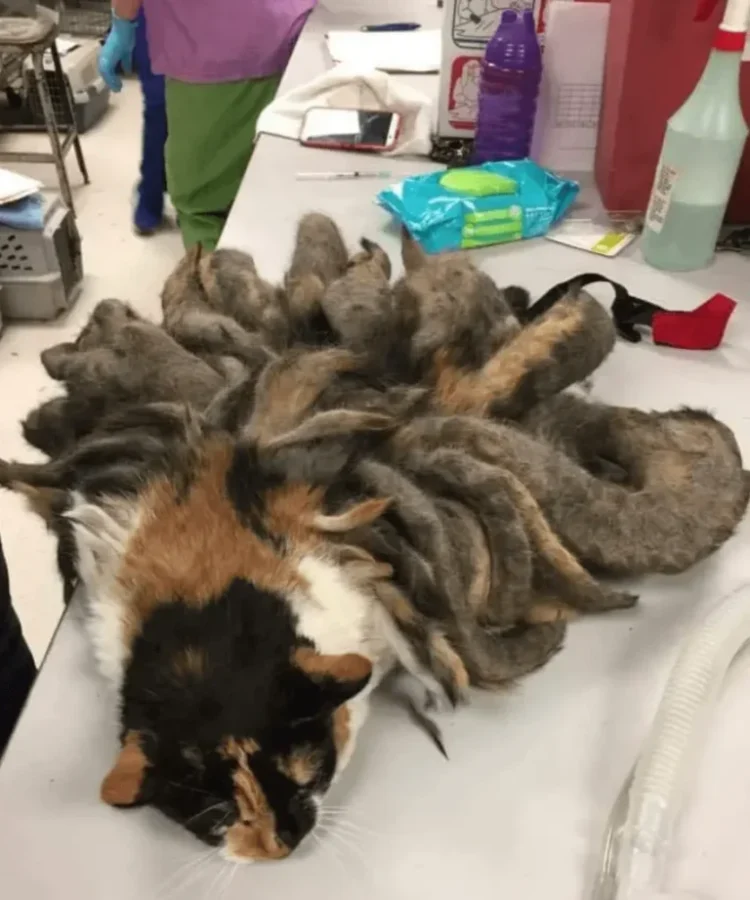
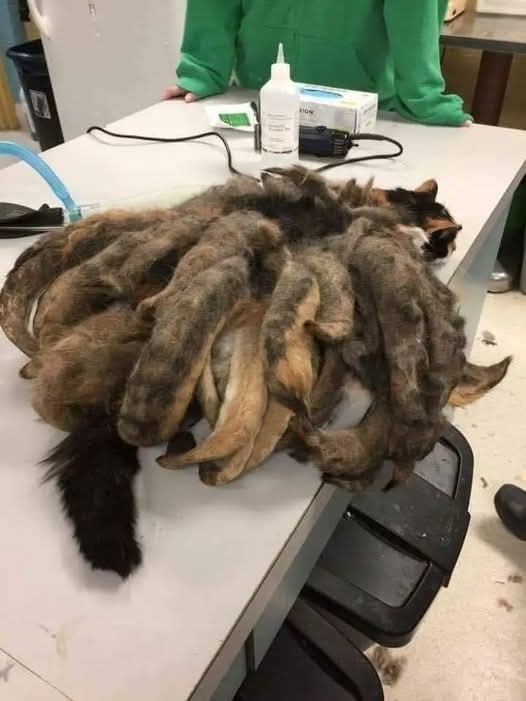
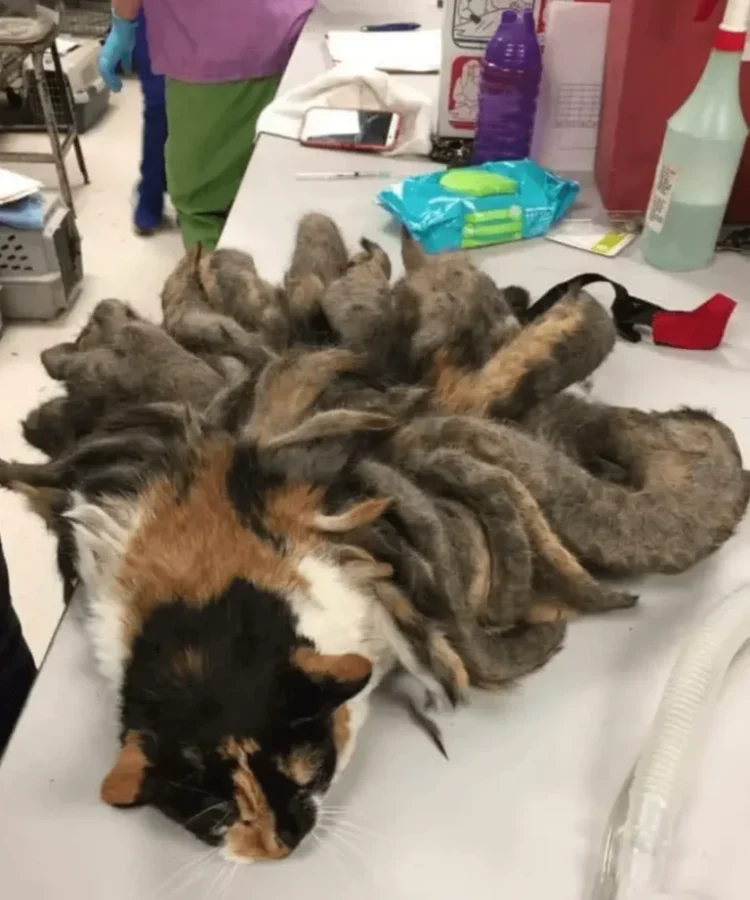
Cats are known for being independent animals that spend much of their time exploring the outdoors and only entering the house for food and urinal breaks. Their independence makes taking care of them simple. But if they aren’t groomed frequently, their fur may become a major problem. Sadly, Hidey, a cat whose owner had Alzheimer’s, witnessed this maltreatment firsthand. Over the years, Hidey’s owner neglected her since he was unable to properly care for her. She had become so heavily matted that she resembled an octopus, shocking animal rescuers when they finally located her.
Best restaurants near me
After Hidey was brought to the Pittsburgh Animal Rescue League Shelter and Wildlife Center, they revealed that it could have been up to two years since she had been groomed. Her fur had grown to an astounding six or eight inches in some places.
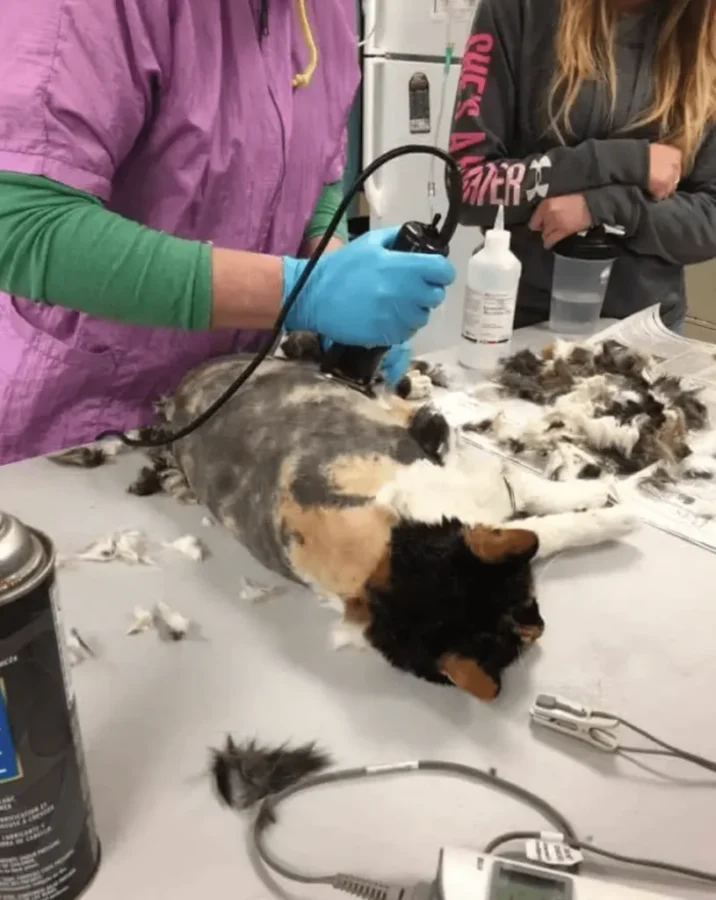
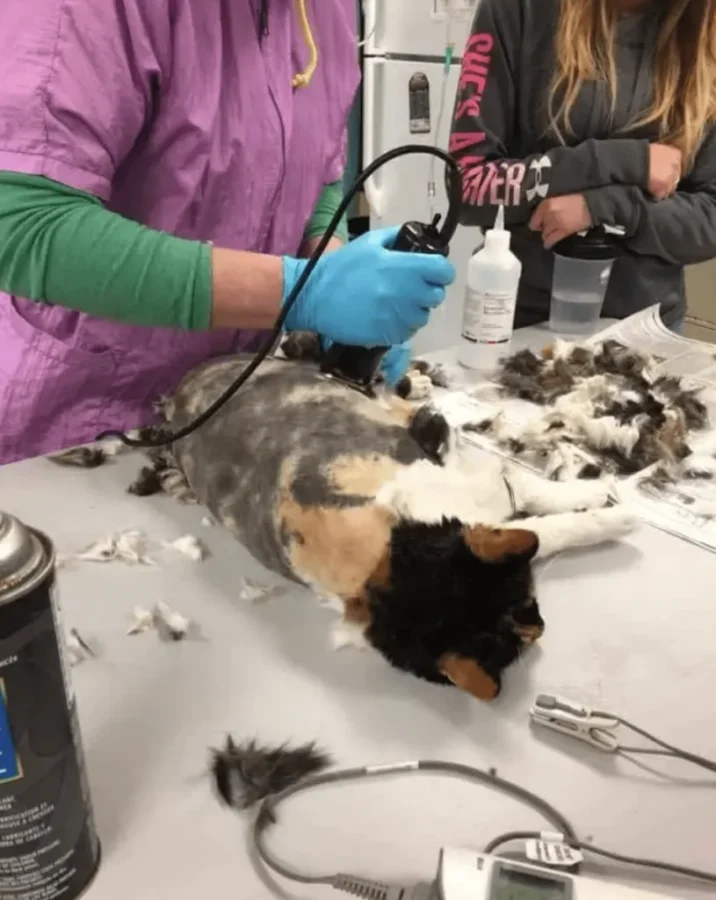
Fortunately, Hidey received assistance from veterinarian Jenn Levitzki. “Hidey has the worst matting I have ever seen; she has dreadlocks,” she wrote alongside a video of the grooming procedure that she shared on Facebook. Hidey was lightly drugged before to the treatment to ensure her comfort.
“Undoubtedly, this cat is feeling so much better now that our medical team shaved pounds of tangled fur off her body!” People magazine stated that the shelter posted on their Facebook page.
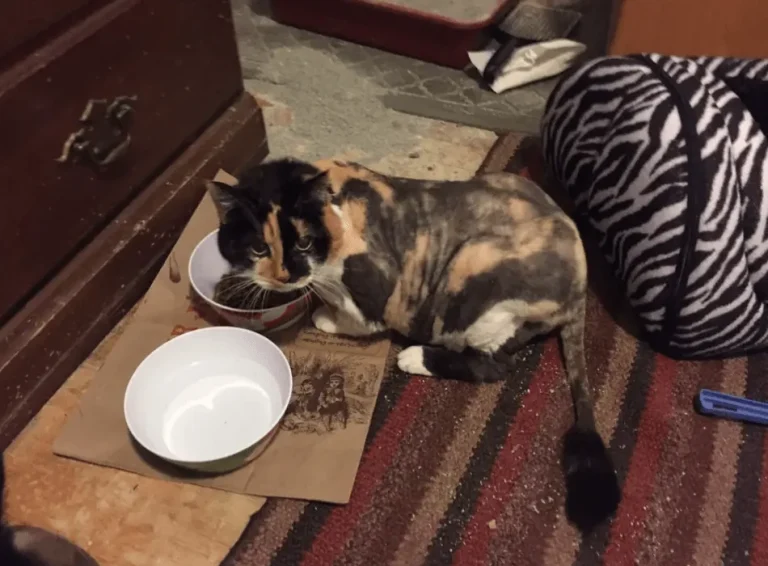
Hidey was welcomed into a new home with a distant relative of her previous owner after her amazing makeover. This heartwarming tale reminds us how important it is to visit our elderly loved ones and their pets.
Spending time with our elderly neighbors and family is vital since even little actions can have a big impact on their lives. We can guarantee their well-being and the well-being of their pets by taking this action. We might never learn whether they’re having problems if we don’t contact out.
When it comes to large-scale celebrity events and red carpets, it can be safely assumed that the A-listers involved – and their teams – spend a deal of time thinking about what to wear.
After all, in an age where photos and videos are uploaded to the internet almost in real time, it pays to be astute where one’s outfit is concerned. In fact, these days some celebrities are forced to decide upon their wardrobe choices for a given event way ahead of time… since certain dresses can take as long as 800 hours to make!
That was the case, at least, for the dress Jennifer Lopez donned at this year’s Met Gala earlier this month. The theme was “Garden of Time”, and the singer – who currently finds her name in the headlines as a result of speculation surrounding her marriage to Ben Affleck – certainly went all in.
As per reports, Lopez’s sheer, mermaid-style silver gown demanded more than 800 hours of hand embroidery to bring it to life.
Not only that, but it was put together with 2,500,000 silver foil bugles and beads, resulting in a truly breath-taking spectacle when Lopez donned it for the red carpet.
Needless to say, there was plenty of praise showered on the This Is Me Now singer in light of the event, though if we’re being honest, Lopez’s detractors were out in force too.
The star fielded some fairly harsh comments regarding her appearance, with critics arguing that J-Lo was attempting to hide how she looks by editing images.
“She shows her age. Face,” wrote one person on Instagram.
Another chimed: “We’ve seen the unfiltered picture of this and it’s not the same.”
A third added: “Your face is old and wrinkled.”
A fourth, meanwhile, opined: “Why does she edit her pics? Everyone knows she’s older.”
NEW YORK, NEW YORK – MAY 06: Jennifer Lopez attends The 2024 Met Gala Celebrating “Sleeping Beauties: Reawakening Fashion” on May 06, 2024 in New York City. (Photo by Bauzen/GC Images)
Of course, Lopez has significantly bigger things to worry about than the claims made by internet denizens she’s never met.
Recently rumors have insisted that there’s trouble in paradise concerning her marriage to actor Ben Affleck. The two became one of the celebrity world’s most ‘It’ couples after tying the knot in 2022, but reports now have suggested they may be heading towards divorce.
We’ll stress that it really is just speculation at this point – nothing has been officially confirmed by either Lopez or Affleck – but if you subscribe to the theory that there’s no smoke without fire, it makes for a curious situation to follow.
What do you think to Jennifer Lopez’s dress for this year’s Met Gala? Let us know in the comments.
Jennifer Lopez, often referred to as J.Lo, is an American singer, actress, dancer, and producer, born on July 24, 1969, in The Bronx, New York City. She is of Puerto Rican descent and began her career as a dancer on the television show “In Living Color” in the early 1990s.
Career Highlights:
Acting: Lopez gained fame in the late 1990s with her roles in films such as “Selena,” where she portrayed the late Tejano singer Selena Quintanilla, and “Out of Sight” alongside George Clooney. She became one of the highest-paid actresses in Hollywood.
Music: In addition to acting, Lopez launched her music career with her debut album, “On the 6,” in 1999, featuring hits like “If You Had My Love” and “Waiting for Tonight.” She has since released several successful albums, including “J.Lo” and “This Is Me… Then.”
Business Ventures: Beyond her entertainment career, Lopez has ventured into business, launching her own fragrance line, clothing line, and production company, Nuyorican Productions.
Achievements:
Jennifer Lopez has received numerous awards, including Grammy nominations, American Music Awards, and a star on the Hollywood Walk of Fame. She is known for her influence in the entertainment industry and her contributions to Latin music and culture.
Personal Life:
Lopez has been married multiple times, including to singer Marc Anthony, with whom she shares twins, Emme and Max. She is also known for her high-profile relationships and her role as a judge on “American Idol.”
Overall, Jennifer Lopez is celebrated for her versatility and impact across various entertainment fields, making her a prominent figure in pop culture.
Jennifer Lopez always has exciting projects in the works. Currently, she’s set to star in the upcoming romantic comedy film “Shotgun Wedding” and the action-comedy “The Mother.” Additionally, she’s working on new music and continuing her successful career as a judge on the TV show “World of Dance.” J.Lo is definitely keeping busy with her diverse projects!
The small veterinary clinic room seemed almost alive, as if it breathed with the rhythm of the people inside. The pale-colored walls reflected the tension, and the low ceiling weighed heavy on everyone’s shoulders. The fluorescent light cast a cold, stark glow, turning every shadow into a silent witness of the final moments of life. The air was thick, woven with suppressed sobs, as time itself seemed to pause in reverence to what was about to happen.
On the metal examination table lay Leo, a proud Eastern European shepherd who had once roamed freely through forests and fields. Once strong, vigilant, and full of life, he now lay weakened, his breathing labored, every movement a testament to a battle fought silently within his aging body. His once-vibrant coat, tinged with the scents of the rain and wildflowers of spring, now felt softer under the touch, like memories fading into the past. Yet in his eyes, a faint spark of recognition still lingered.
At Leo’s side was Artem, his lifelong companion. The boy who had first welcomed this small puppy from a cardboard box had grown into a man shaped by the loyalty, courage, and companionship of his dog. His hands trembled as they stroked behind Leo’s ears, memorizing the warmth and comfort that had defined their years together. Tears threatened to spill, but he held them back, afraid to shatter this fragile moment of connection.
“You were my friend… my brother… my light,” Artem whispered, his voice barely audible. “You were there when I fell… you lifted me when I thought I had lost everything. Forgive me if I did not always know how to protect you…”
It was as if Leo understood every word. With the last of his strength, he lifted his eyes, pressing his muzzle into the palm of Artem’s hand. That simple gesture spoke louder than words: I love you. I remember. I am with you.
Artem pressed his forehead against Leo’s, memories cascading like a river: the long hikes through misty mountains, campfires that crackled under starlit skies, nights sleeping under the tent, walks through rain-soaked streets, and snowy winters that left pawprints in the frost. Each memory was a thread in the tapestry of their shared life, and now, each thread carried a final, silent gratitude.
The veterinarian and her assistant stepped back, overwhelmed by the intensity of the moment. Even those accustomed to witnessing suffering were caught off guard by the sheer force of love displayed before them. Then, the unimaginable happened: Leo, in a final, trembling effort, wrapped his paws around Artem’s neck. It was not reflex, nor coincidence. It was a farewell. A thank you. An eternal promise.
“I love you…” Artem sobbed, holding his companion tightly. “You will stay with me forever. Do you hear? Forever…”
The veterinarian approached, holding a fine syringe filled with a transparent liquid. Her voice was soft, almost a whisper:
“When you’re ready…”
Artem nodded through choked tears. “Rest now, my hero… I let you go with all my love.”
But then, the unthinkable happened. The veterinarian froze mid-motion, eyes fixed on Leo.
“Stop!” she cried.
What happened next left everyone in the room silent, hearts suspended. It was a moment so pure, so profound, that it transcended words — a testament to the unbreakable bond between a human and his dog.
I thought a bit of fuzz was stuck in my seatbelt—until it twitched. That small movement quickly turned into a nightmare. My car had been invaded by Solifugae, commonly called camel spiders, sun spiders, or wind scorpions.
Not Venomous, But Still Terrifying
These spiders aren’t venomous. However, their speed, creepy look, and painful bite can unsettle anyone.
The Hidden Invaders
The first spider hid between my seatbelt and the upholstery. Soon, I spotted more near the backseat and door hinges. They blended perfectly into the car, making them easy to miss.
Their bites cause sharp pain, swelling, redness, and risk of infection if untreated.
How to Protect Your Car
If you want to keep unwanted pests—especially spiders—out of your vehicle, it’s important to take a few simple but consistent precautions. Start by vacuuming your car thoroughly, paying extra attention to corners, under the seats, and inside storage compartments where dust and debris tend to accumulate. These hidden spots can become perfect hiding places for pests if left unchecked.
Inspect your car regularly for any small cracks, gaps, or openings where insects or spiders could enter. Seal these areas with weatherstripping or automotive sealant to block entry points. Whenever possible, avoid parking in dry, brushy, or wooded areas, as these environments are natural habitats where spiders and other insects thrive.
For an added layer of protection, consider using natural repellents. Essential oils like peppermint, citrus, or eucalyptus not only leave your car smelling fresh but are also known to deter many insects and spiders. Simply mix a few drops with water in a spray bottle and lightly mist areas inside your vehicle—just avoid electronics and leather surfaces.
Another important step is to keep food out of your car. Even small crumbs can attract ants, beetles, and other insects, which in turn may invite spiders looking for an easy meal. Make it a habit to clean up immediately after transporting groceries or snacks, and keep trash from accumulating inside.
A Chilling Reminder
This experience was a sobering lesson that nature doesn’t always make its presence known. Sometimes, it slips in unnoticed—quietly finding a place to hide—until the moment it’s ready to move. Whether it’s a harmless spider or something more dangerous, it’s a reminder that our cars, like our homes, can become temporary shelters for the unexpected passengers of the natural world.
Cats are known for being independent animals that spend much of their time exploring the outdoors and only entering the house for food and urinal breaks. Their independence makes taking care of them simple. But if they aren’t groomed frequently, their fur may become a major problem. Sadly, Hidey, a cat whose owner had Alzheimer’s, witnessed this maltreatment firsthand. Over the years, Hidey’s owner neglected her since he was unable to properly care for her. She had become so heavily matted that she resembled an octopus, shocking animal rescuers when they finally located her.
After Hidey was brought to the Pittsburgh Animal Rescue League Shelter and Wildlife Center, they revealed that it could have been up to two years since she had been groomed. Her fur had grown to an astounding six or eight inches in some places.
Fortunately, Hidey received assistance from veterinarian Jenn Levitzki. “Hidey has the worst matting I have ever seen; she has dreadlocks,” she wrote alongside a video of the grooming procedure that she shared on Facebook. Hidey was lightly drugged before to the treatment to ensure her comfort.
“Undoubtedly, this cat is feeling so much better now that our medical team shaved pounds of tangled fur off her body!” People magazine stated that the shelter posted on their Facebook page.
Hidey was welcomed into a new home with a distant relative of her previous owner after her amazing makeover. This heartwarming tale reminds us how important it is to visit our elderly loved ones and their pets.
Spending time with our elderly neighbors and family is vital since even little actions can have a big impact on their lives. We can guarantee their well-being and the well-being of their pets by taking this action. We might never learn whether they’re having problems if we don’t contact out.