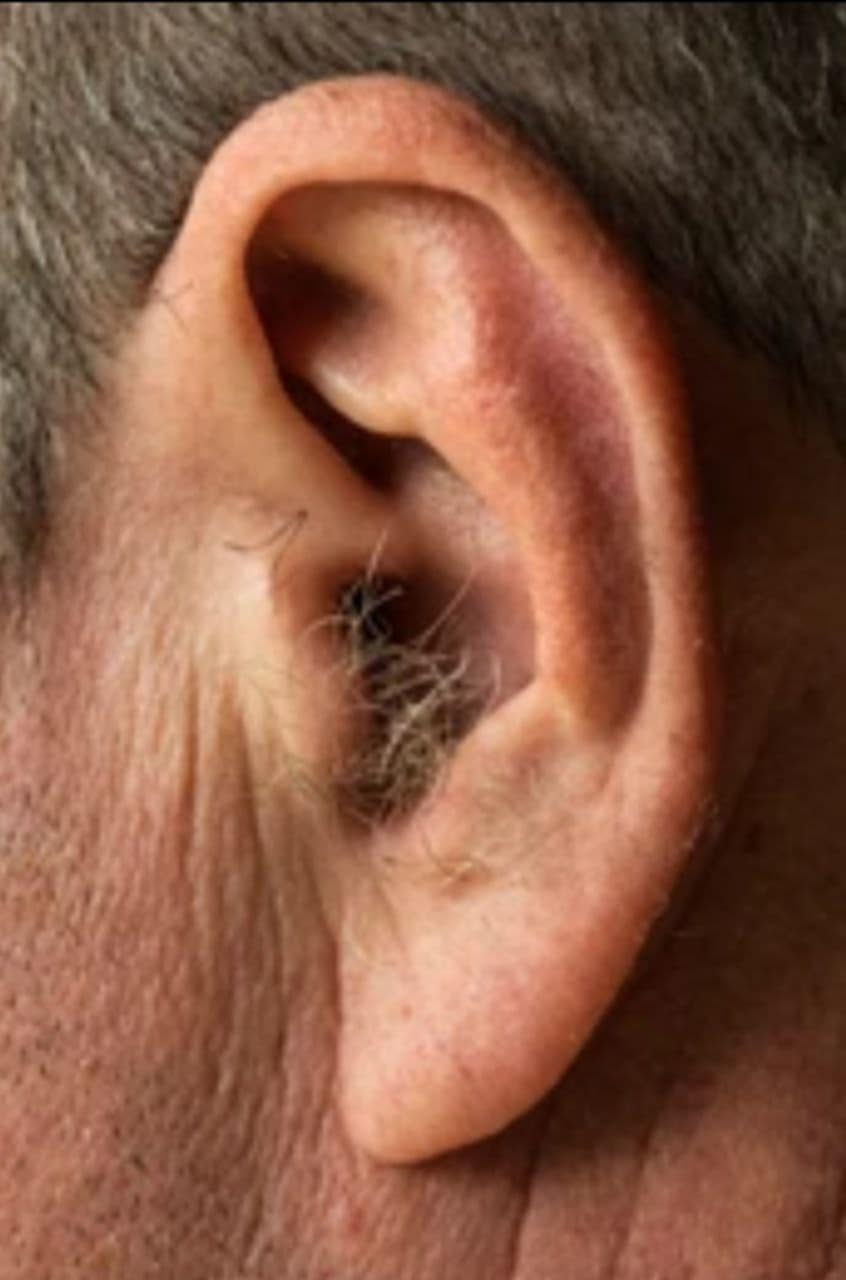
Did you know that if your ear hairs grow, it is because your body is undergoing a natural aging process? Ear hair growth is a common phenomenon, particularly in men, and is closely linked to hormonal changes, specifically an increase in dihydrotestosterone (DHT), a derivative of testosterone. As people age, DHT can stimulate hair follicles in areas like the ears, nose, and eyebrows, leading to more noticeable hair growth.
While it might seem unusual or even embarrassing, ear hair actually serves a purpose. Like other body hairs, it helps trap dust, debris, and small particles from entering the ear canal, providing a natural protective barrier for one of the most sensitive organs in the body. However, excessive growth may require grooming to maintain comfort and appearance.
Interestingly, genetics play a significant role in determining how much and how quickly ear hair grows. Some individuals may notice minimal growth even in later years, while others experience more pronounced changes. Lifestyle factors, health, and overall hormonal balance can also influence the rate of hair growth.
Medical experts note that ear hair growth is typically harmless. However, sudden or unusual hair growth, especially when accompanied by other symptoms, may occasionally indicate underlying hormonal imbalances or health issues. In such cases, consulting a healthcare professional is advisable to ensure overall well-being.
For many, managing ear hair becomes part of regular grooming routines. Trimming or using specialized ear hair grooming tools is safe and can help maintain a neat appearance without causing damage to the sensitive ear canal. Some people also prefer using gentle wax or laser treatments in extreme cases, though these methods should be approached with caution and professional guidance.
Conclusion: The growth of ear hairs is a natural part of aging and hormonal changes. While it may surprise or amuse some, it is generally a harmless phenomenon with a practical purpose. Proper grooming and awareness can help maintain comfort and appearance while understanding the biological reasons behind this common bodily change.
Disclaimer: The information provided in this article is for educational and entertainment purposes only and should not replace professional medical advice.
Leave a Reply